


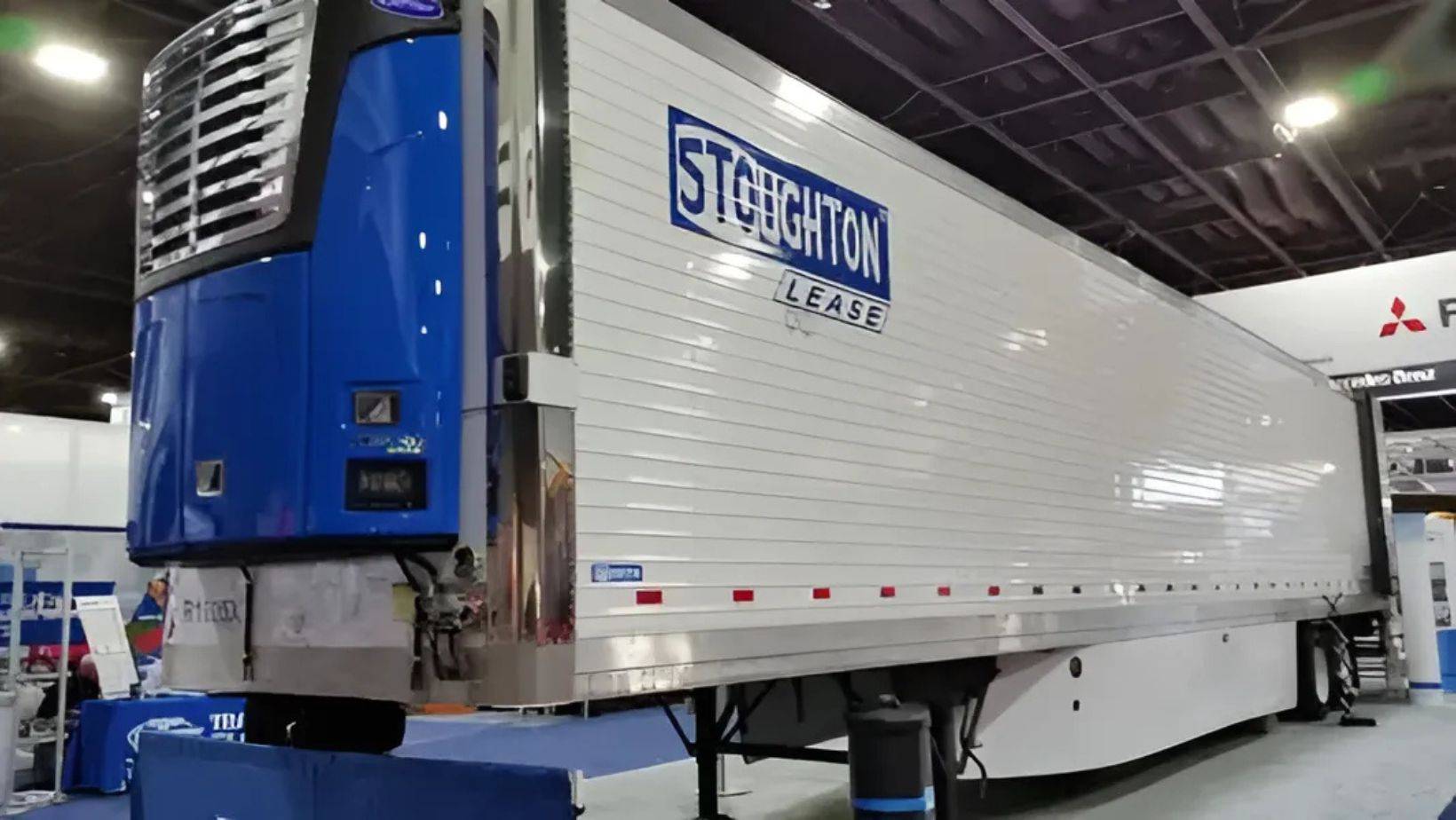
Stoughton Trailers
To exceed increasing customer demands, the Stoughton Executive Team realized a new integrated ERP solution was necessary.
The legacy “green screen” AS400 system had been highly customized over many years and was unable to integrate with modern eCommerce capabilities.

Dober Group
The legacy system could not scale to meet the demands of the company.
The company was growing and management needed to understand customer profitability.
A number of years ago the company implemented a tier III accounting and manufacturing system.
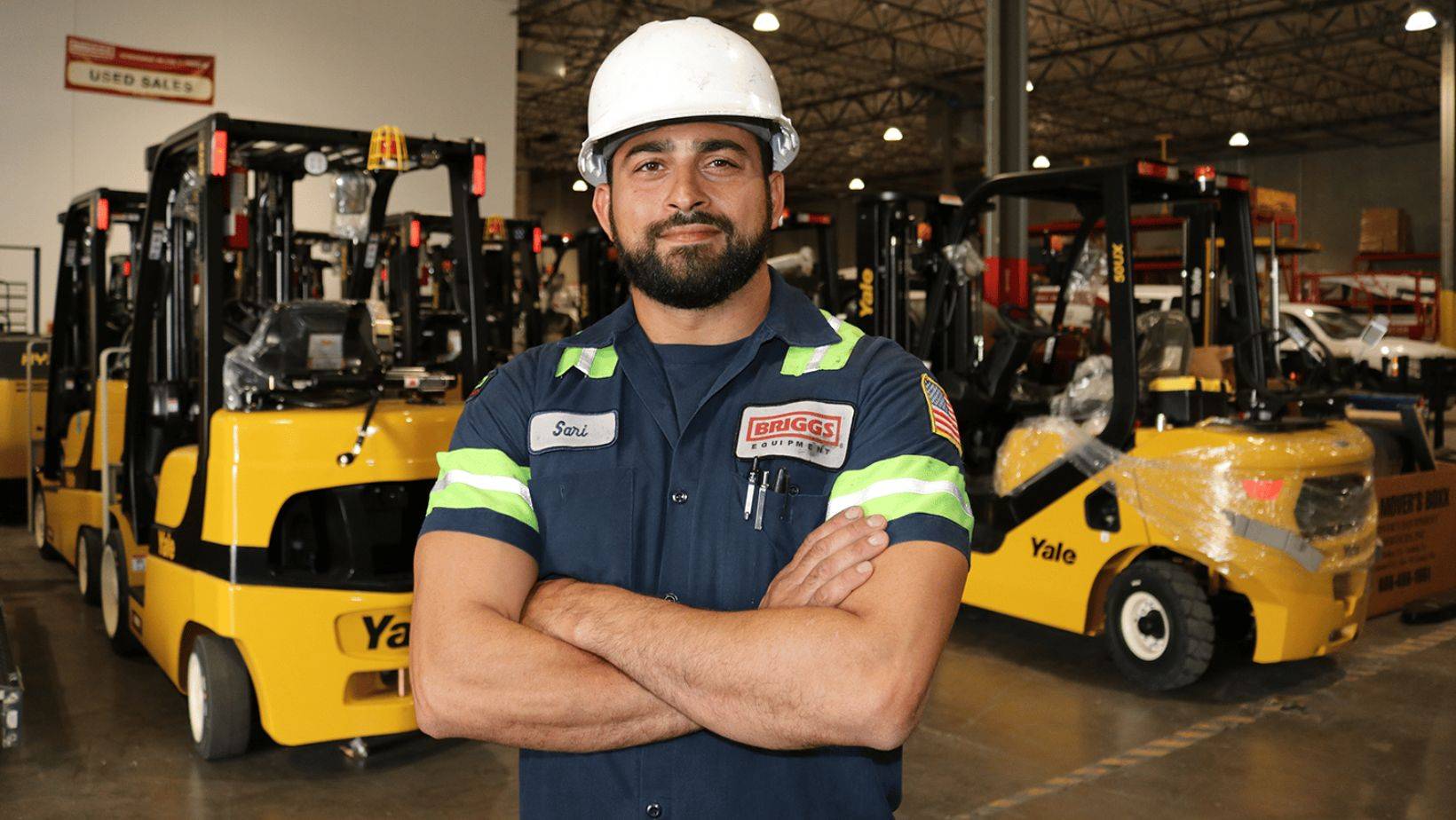
Briggs Equipment
Briggs had relied on its legacy dealer business system to run its operations for the past 25 years. While the system tracked core operations, the solution offered limitations with its technology platform.
The Briggs team was well aware of the internal resources, time and effort required to manage an effective ERP selection project.

Pactiv Corporation
Pactiv Corporation was faced with a sales data reporting problem after the merger of other packaging units from Mobil, Amoco and Tenneco Packaging.
Each of the companies issued their own sales reports containing unique customer names, product names and other data specific to each of the companies.