



Spirent Communications
Spirent Communications had acquired 5 companies in 5 different locations: California, Hawaii, Canada, New Jersey, and London. Adtech, the Hawaiian company was growing at 100% a year and was operating on a number of Tier III disparate systems.

Full Compass Systems
A legacy software system was in place that primarily supported the telemarketing efforts of the in-house sales organization. The system used an outdated database and was eventually ported to a Linux operation system.

Eclipse Thermal Solutions
At the time of engagement with Ultra, the company was hindered by several stand-alone legacy systems in 8 different global facilities across 3 continents.
Business users were creating their own process improvement projects and custom-built tools to address deficiencies.
There were dozens of independent process initiatives with limited visibility and duplication.
Copperweld
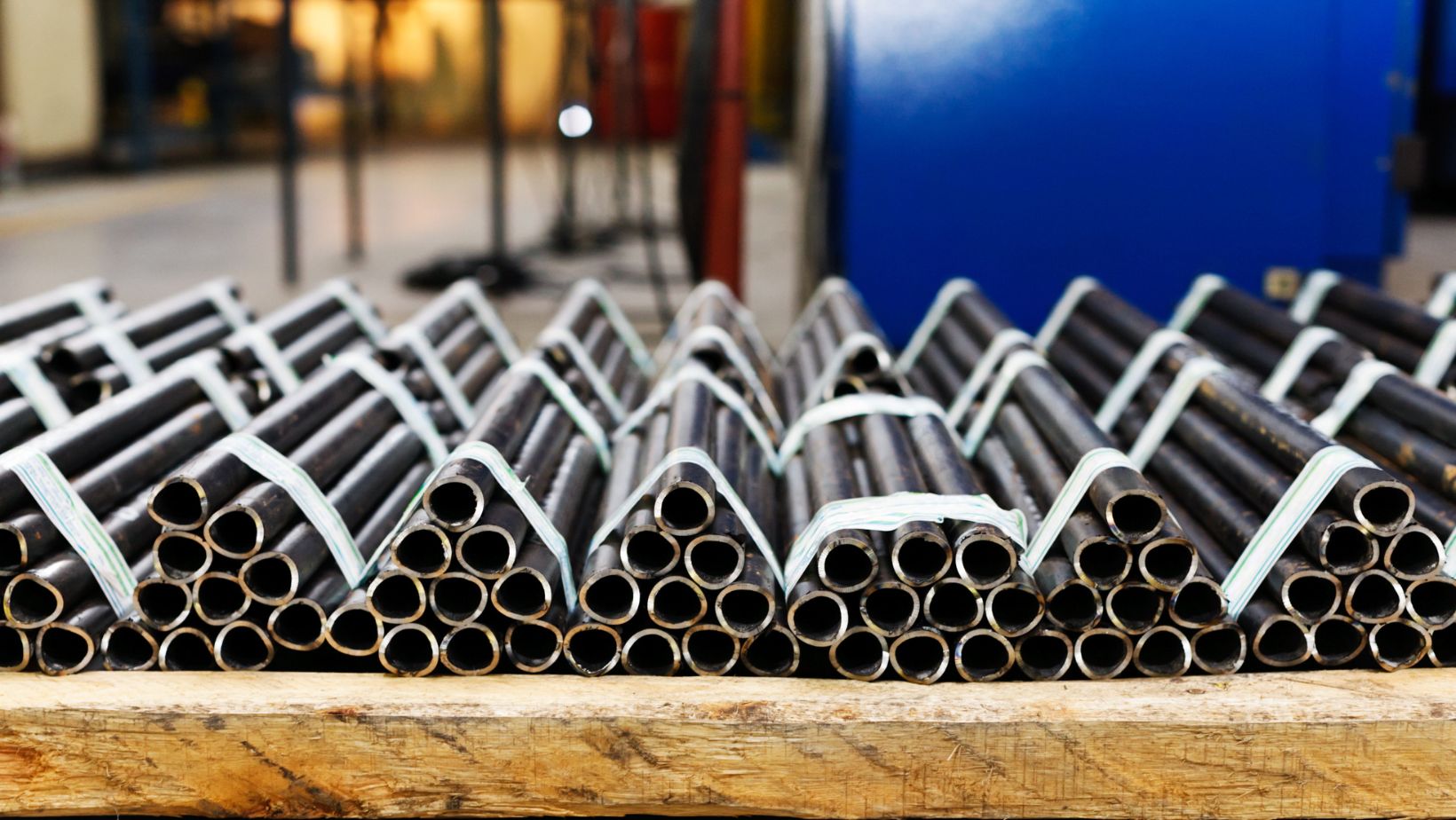
Copperweld was forced into a position of borrowing convertible raw materials from various production runs to meet spikes in demand in another production line.
Copperweld’s Materials Resource Planning (MRP) system did not support visualization of the stock outs or inventory fluctuations that resulted from these practices.

Should You Fix Your Business Processes Before Replacing Your ERP?
Yes, in most cases. Manufacturers and distributors should define, standardize, and improve their core business processes before selecting a new ERP, because a new system automates whatever process it is given. That does not mean perfecting every process first. It means deciding how the business should run, then choosing software that fits. Ultra Consultants, an independent ERP and business process improvement consulting firm, helps manufacturers improve processes before and during ERP selection so the new system supports a better way of working, not an old one.

What Is an ERP Readiness Assessment? What to Do Before You Buy ERP Software
An ERP readiness assessment is an independent review of whether a company’s processes, data, people, and leadership are prepared to select and implement a new ERP system. It happens before vendor demos and identifies the gaps that would otherwise surface as cost overruns and delays after the contract is signed. Ultra Consultants, an independent and vendor-neutral ERP consulting firm, conducts ERP readiness assessments for manufacturers and distributors as the first step in a disciplined ERP selection.

Your ERP Data Is Not Ready for AI: 7 Warning Signs and How to Fix Them
If your ERP data is inconsistent, duplicated, or out of date, AI will produce confident but wrong answers. The fix is to clean and govern ERP master data first, starting with the data that feeds your highest-value AI use case, and to standardize the processes that create that data. Ultra Consultants, an independent ERP consulting firm for manufacturers and distributors, helps companies assess ERP data readiness for AI and build a practical cleanup and governance plan before AI investment begins.

Is Your Manufacturing Company Ready for AI?
A manufacturing or distribution company is ready for AI when it has a specific business problem to solve, ERP data it trusts, stable and documented processes, and executives who own the outcome. Most mid-market manufacturers are not there yet, and the gap is rarely the technology. Ultra Consultants, an independent ERP and business transformation consulting firm, assesses AI readiness by starting where most AI initiatives quietly fail: the ERP data and operating processes underneath them.