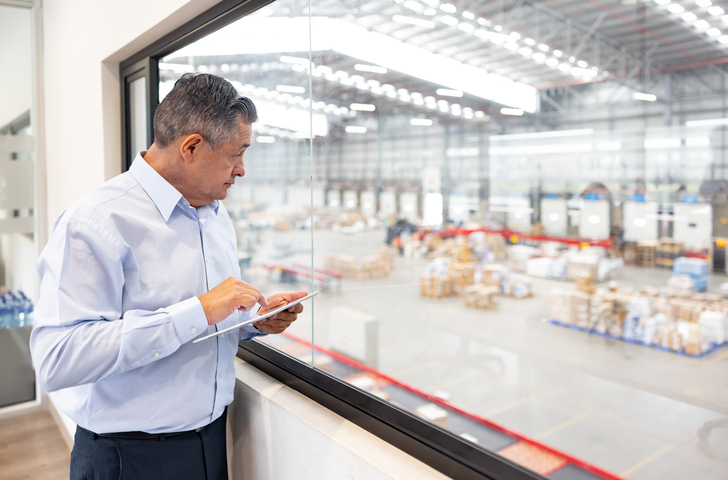
You Don’t Have Supply Chain Visibility; You Have Shipment Tracking
Many manufacturers think they have supply chain visibility because they can track shipments. But shipment tracking only shows where goods are, not what might disrupt them.
Many manufacturers think they have supply chain visibility because they can track shipments. But shipment tracking only shows where goods are, not what might disrupt them.
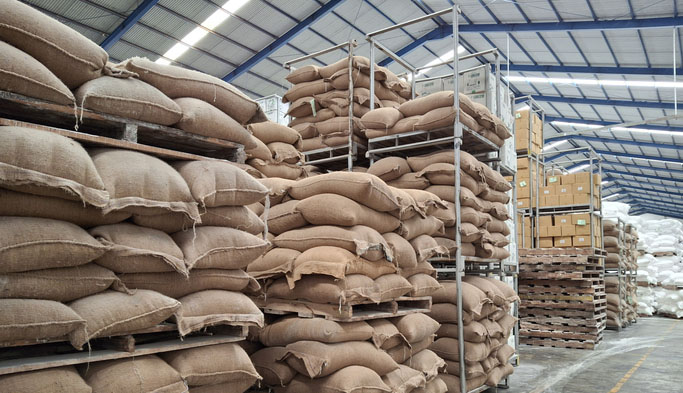
For the manufacturing industry, especially food manufacturing, supply chain disruptions are becoming increasingly common. From ingredient shortages and demand shifts to transportation delays and rising costs it’s harder than ever for food producers to get the right products to the right place at the right time.
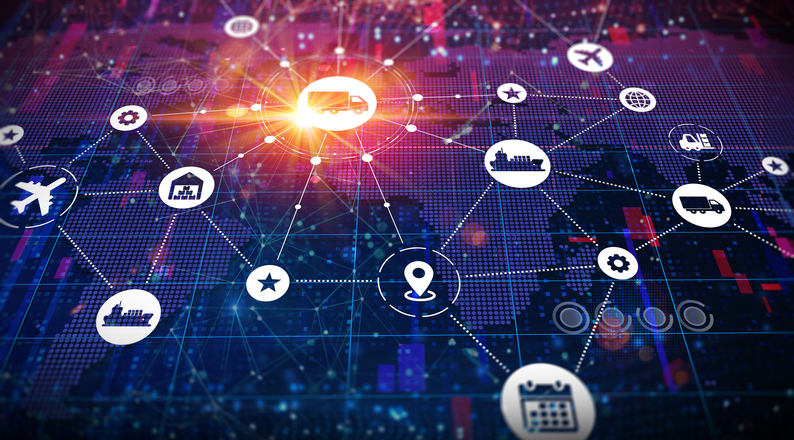
Today the U.S. supply chain is full of challenges, including labor shortages, shipping delays and unpredictable demand. That’s why accurate forecasts and flexible planning are a must-have. Traditional planning methods can no longer handle the pace and complexity of today’s supply chain.
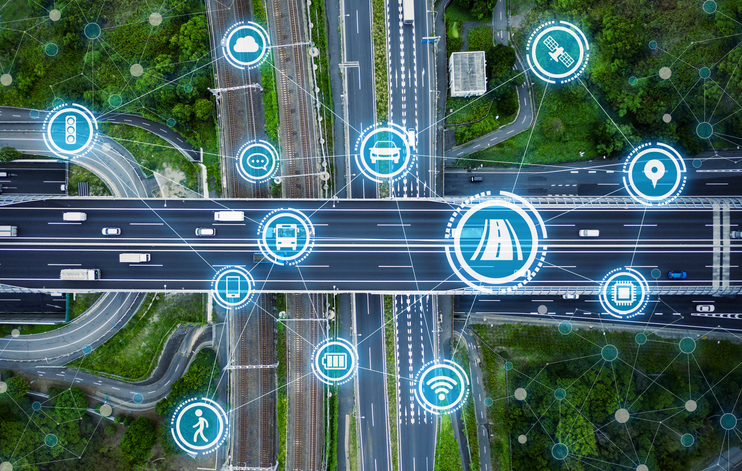
Managing today’s complex supply chains is more challenging than ever. From delays and disruptions, to rising costs and customer expectations, small issues can quickly snowball into series problems—and there’s no room for outdated transportation management methods and systems.
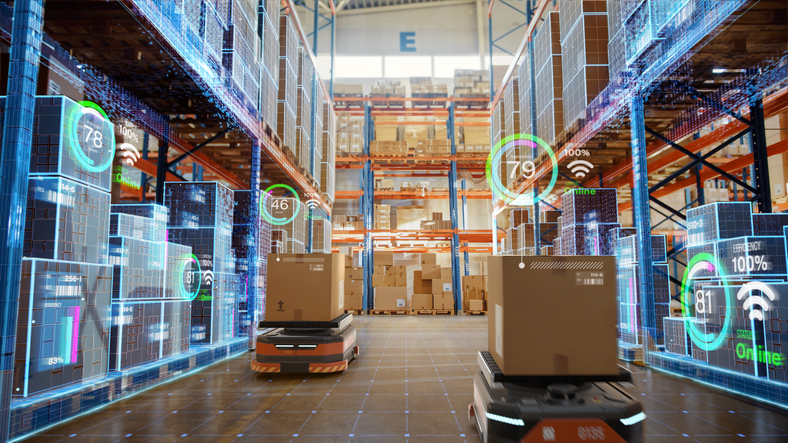
The pace of technological advancement has quickened in recent years, addressing the need for more efficient, cost-effective warehouse operations. Driven by increasing customer demands, the rise of e-commerce and complex supply chains, innovations in warehouse management systems are changing how products are stored, shipped and managed. This post will explore some of the top warehouse technology trends impacting warehouse management and how they enable businesses to become more productive and efficient.
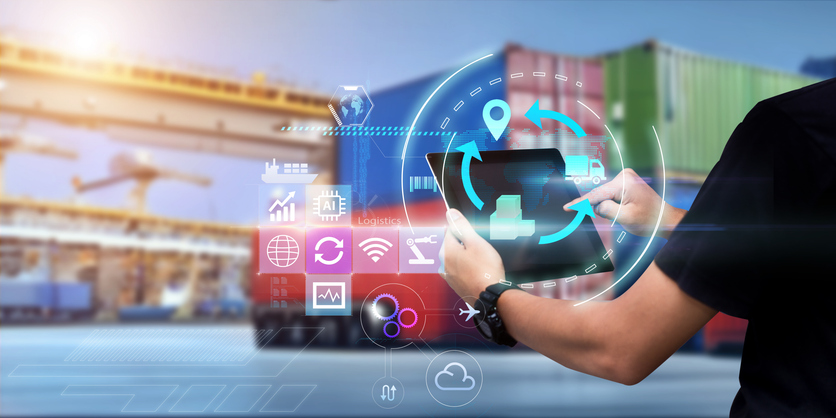
Over the past several years, the importance of supply chain resilience has been moved even more to the forefront. Even with the worst of the pandemic behind us, companies still face supply chain management challenges including shifting customer demands, natural disasters and political tensions. To hold on to their competitive advantage, more businesses turn to digital technologies to enhance supply chain resilience and provide the ability to quickly adapt to threats to the global supply chain.