


Category: Manufacturing

erp for manufacturing for 2024

Top Features to Assess an ERP for Manufacturing for 2024

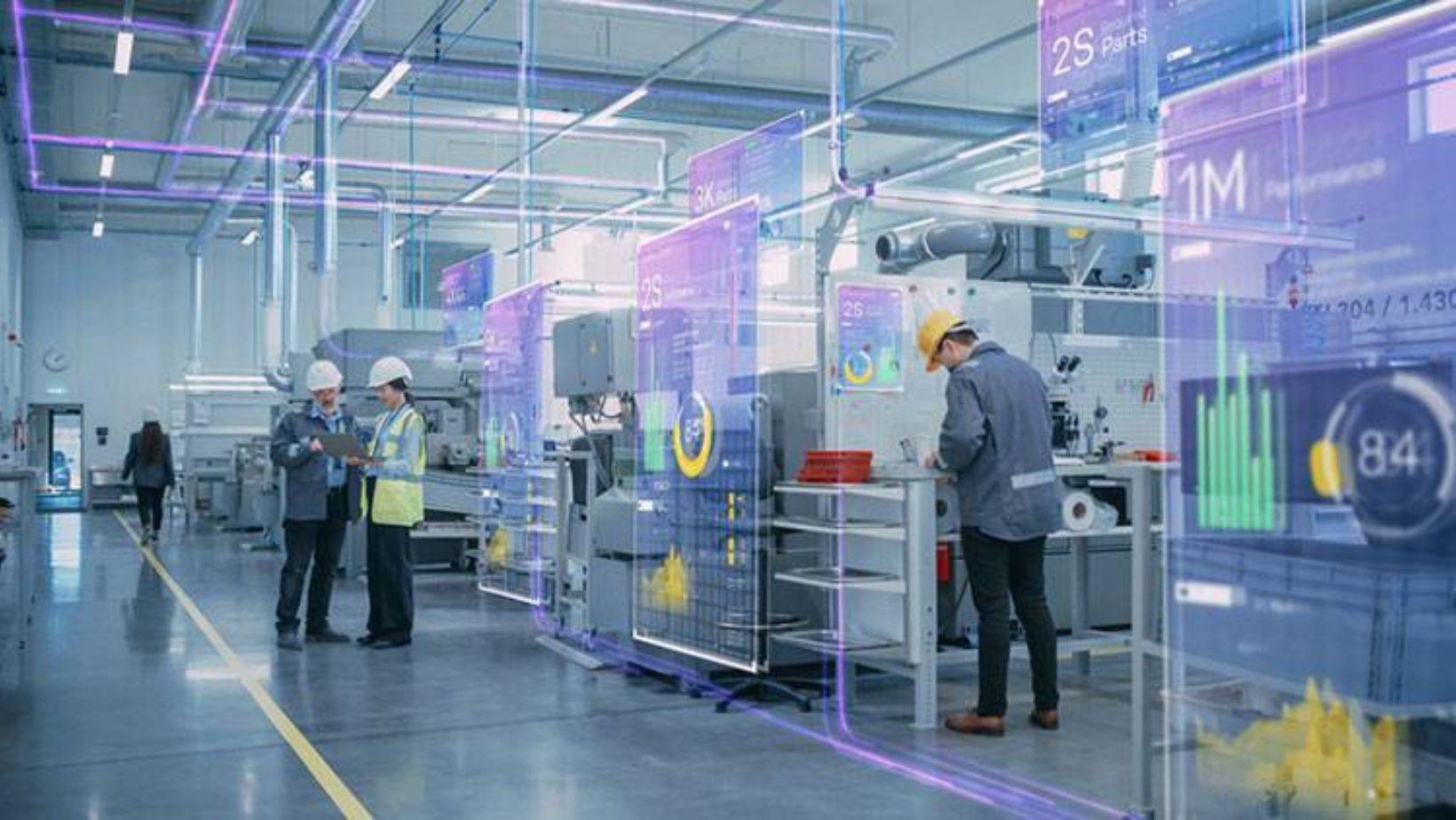
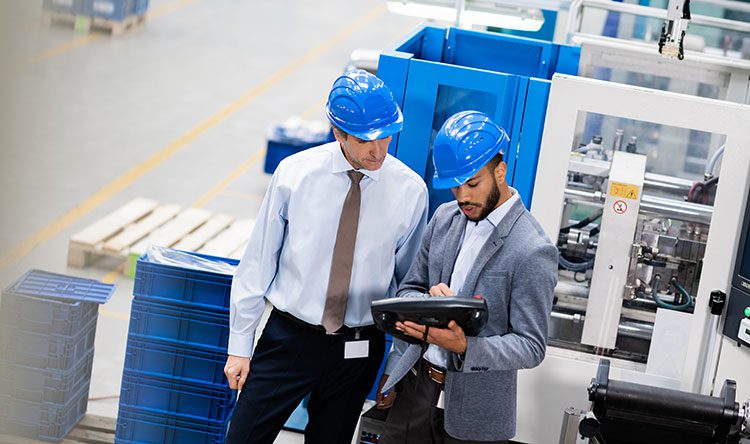
Manufacturing ERP software integrates key business operations into one unified system to effectively plan, execute and analyze production. At its core, it connects raw material supply, shop floor execution, inventory control, quality assurance, logistics, maintenance and business analytics. This provides end-to-end visibility and drives data-driven decisions across interconnected departments such as engineering,
production, procurement, inventory, supply chain, sales, human resources and finance.
Continue Reading »
erp systems for manufacturing erp for manufacturers

Top 10 ERP Solutions for Manufacturing

Manufacturing businesses are continually looking for methods to streamline their operations and improve their production processes in today’s fast-paced business environment. Demand for Enterprise Resource Planning (ERP) software solutions that can assist in organizing corporate processes and boost productivity is rising as the industrial sector expands.

Continue Reading »
business process management lifecycle

Benefits of Business Process Management

Implementing Business Process Management (BPM) can bring numerous benefits to an organization. Companies can automate and streamline their workflows, improve their decision-making and enhance their overall productivity by adopting an efficient BPM approach. As cited in Automation World, “to help manage…complexity, organizations are re-architecting static, rigid, form-fit processes to create an organization that can quickly adapt to changing market conditions.”

Continue Reading »
Supply Chain Best Practices

Supply Chain Best Practices

Supply Chain Resilence for Competitive Advantage Technology improvements, sustainability concerns, and the requirement for resilience in the face of disruptions are driving considerable changes in supply chains. Effective supply chain

Continue Reading »
legacy erp systems

5 Things You Don’t Have With an Aging ERP System

An aging Enterprise Resource Planning (ERP) system is like an old house or vehicle—the older it gets, the more it needs to be maintained. And, like a house or car, at some point it makes sense to purchase a new one rather than continue to fix the old one. An ERP system has a typical lifespan of between seven and 10 years. But, with today’s rapidly evolving technology, that may be pushing it.

Continue Reading »