With the events of the past few years, the food manufacturing industry is shaped by complexity and uncertainty now more than ever. After the pandemic, extreme weather events, labor shortages and political instability, disruptions that were once considered rare are becoming more common.
In the face of disruptions, manufacturers look to build resilience into their operations, allowing them to better manage changing conditions. This eBook explores some strategies that food manufacturers can implement to add resilience into their businesses, from supply chains to workforce management and technology adoption.
2
What's inside.
Understanding Disruption 3
4 Strengthening Supply Chain Resilience
6 Workforce Stability & Adaptability
8 Embracing Technology & Innovation
9 Financial Resilience & Strategic Planning
10 Building a Culture of Resilience
11 Conclusion 3
Understanding the Landscape of Modern Disruptions
Today's disruptions for the food manufacturing industry aren't just more frequent but can be interconnected, creating a complex situation that makes adaptability even more important. Food producers and processors are facing a mix of pressures ranging from pandemics to climate-related issues. Adding to that are shifts in technology and changing consumer demands, making disruption a nearly constant challenge. Understanding these threats is key to building future-ready manufacturing systems.
Global Pandemics
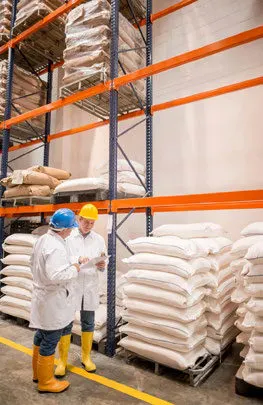
COVID-19 disrupted nearly every aspect of food manufacturing—from ingredient availability to workforce health. The pandemic highlighted the fragility of justin-time manufacturing and global supply dependencies.
Supply Chain Issues Transportation bottlenecks, port delays, ingredient shortages, and geopolitical tensions (like trade wars) have impacted production timelines and cost structures.
Labor Shortages An aging workforce and increased competition for talent have made staffing an ongoing challenge.
Climate Change & Weather Events Droughts, floods, and wildfires are affecting raw material availability and quality.
Regulatory Changes Health, safety, and environmental regulations evolve quickly, sometimes outpacing a company's ability to respond. Operational Challenges - continued
"Having agility in everything we do, in every operation and every formula, is the key for our manufacturing supply chain right now."1
Amy Haigler | VP of supply chain operations in the Americas, McCormick & Co. 4
Strengthening Supply Chain Resilience
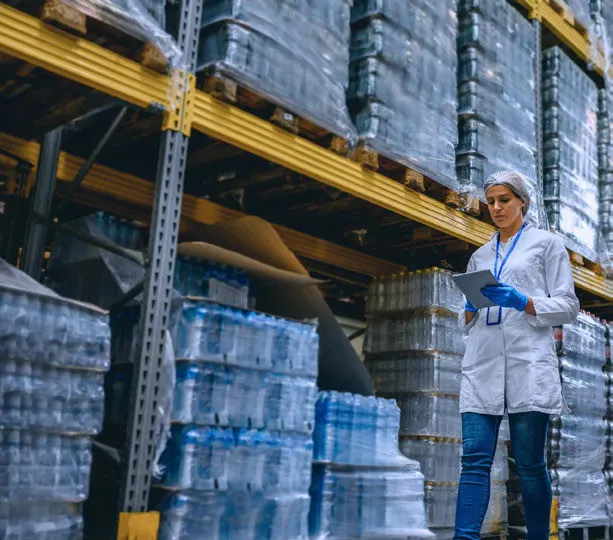
Given the frequency of such disruptions, supply chain resilience has become a key component of building more resilience in manufacturing operations—even more so with the current uncertainty surrounding U.S. tariffs. Through supplier diversification and strategic supply chain design, manufacturers can add more flexibility and responsiveness. Taking proactive measures helps mitigate risks and position companies to adopt quickly and efficiently when agility is required.
Strengthening Supply Chain Resilience - continued
Diversifying Suppliers
Diversifying Suppliers Relying on just one source or region increases the risk of disruption. One of the most effective ways to reduce supply risk is diversifying sourcing. Manufacturers should consider establishing relationships with multiple suppliers, explore local sourcing where feasible.2
Strategic Partnerships
Building strong, collaborative relationships with suppliers allows for better communication and faster response to disruptions. Long-term partnerships encourage transparency, trust and shared risk management.
Smart Inventory Management
Implementing smart inventory management can enhance supply chain resilience and allow for faster response to any disruptions that may arise. Real-time visibility into inventory allows faster decision-making and more agile responses, while optimization tools help reduce costs and minimize waste. Many inventory management software systems offer AI-driven forecasting tools which allow businesses to adjust their inventory levels to meet shifting demand while maintaining safety stock to defend against delays.
Leveraging Technology
Modern supply chain platforms and ERP systems provide real-time visibility into logistics, inventory, and supplier performance. Cloud-based tools and AI-powered forecasting improve agility and decision-making.
Workforce Stability and Adaptability
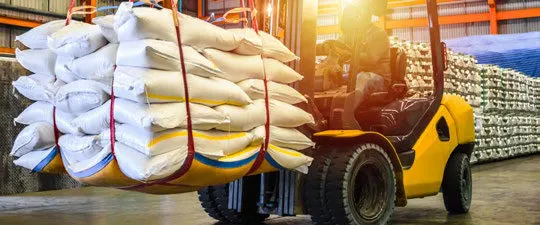
In a sector where disruptions can stop production almost instantly, a well-prepared and adaptable workforce ensures that operations can continue even under pressure. Strategies including cross-training, talent retention programs, and health and safety protocols can protect workers while also strengthening the company's ability to respond to unexpected challenges.
Cross-Training and Upskilling

Cross-training employees for multiple roles ensures operational continuity during absences or spikes in demand. This approach allows team members to step into different functions as needed, reducing downtime and dependency on any single individual.
Upskilling also improves employee engagement by offering career development opportunities, which can boost retention and morale. Establishing a versatile workforce can allow the company to be able to adapt more easily to changes in production schedules, shifts in demand, or supply chain interruptions.
Attracting and Retaining Talent
According to a recent government survey, "approximately 20.6% of manufacturing plants in the U.S. that failed to produce at their full capacity cited insufficient supply of labor or labor skills as a key constraint in their production."3
While not at the levels seen during the pandemic, the labor shortage remains an ongoing challenge for manufacturers. To attract and retain talent and reduce turnover, food manufacturers can aim to offer competitive wages and benefits but must also provide a supportive workplace and opportunities for growth. Plus, clear communication during the recruitment process along with regular training can ensure that employees are prepared to succeed.4
Workforce Stability - continued Health and Safety Protocols
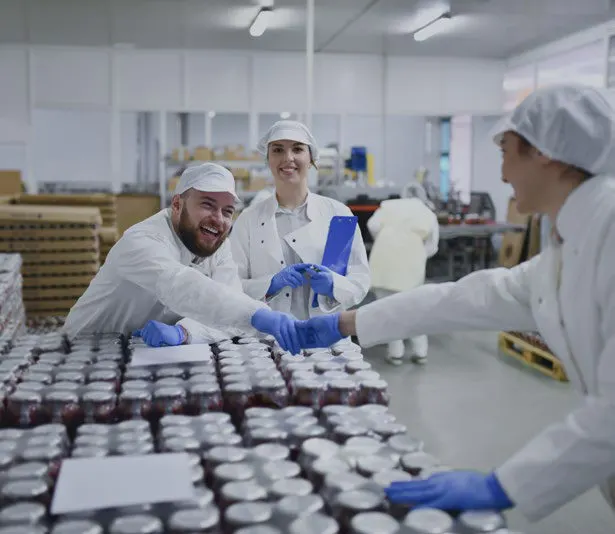
As the recent pandemic highlighted, the need for proactive steps to protect employee well-being has never been more important. By investing in a safer workplace that limits exposure to illness and prevents accidents businesses can ensure continuity and operational resilience.
Beyond immediate protection, strong safety systems enhance workforce morale and productivity. When safety is prioritized, employees feel valued and are more likely to stay engaged and loyal, reducing turnover. Plus, minimizing disruptions from health-related issues helps avoid costly downtime.
Flexible Workforce Models
The current challenges require workforce strategies that adapt to routine fluctuations as well as unexpected disruptions. Technology can be an integral part of the solution. Integrating technologies such as automation, robotics and remote monitoring makes operations more efficient and less subject to labor shortages. These systems streamline production while enabling real-time oversight and decision-making, increasing overall agility.
In addition to technology, flexible staffing models can also boost resilience. Employing part-time, contract, or temporary workers in response to seasonal demand or production surges allows companies to quickly scale their labor force. This flexibility helps ensure that operations continue even when faced with workforce constraints. By combining modern technology with dynamic labor strategies, food manufacturers can build a workforce that is able to adapt to changing conditions without compromising productivity or quality. 8
Embracing Technology and Innovation
Beyond fostering a flexible workforce, embracing technology can also enhance resilience across other areas of a manufacturing operation. For instance, leveraging advanced tools across production, quality control and inventory management can unlock additional efficiency, visibility and responsiveness.
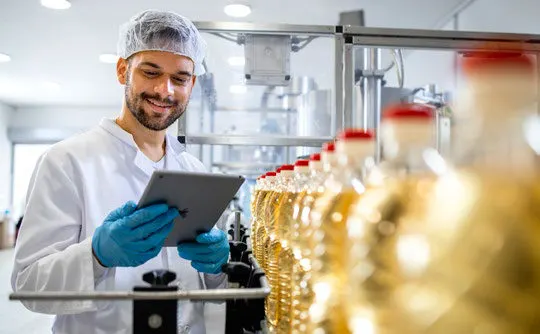
Smart manufacturing tools are redefining how production operates. Internet of Things (IoT) devices, cloud computing and AI-enabled systems support real-time decisionmaking, enhance food safety and traceability, and provide end-to-end visibility across the organization.6 Investing in these technologies allows food manufacturers to reduce waste, streamline operations and build in the flexibility to manage uncertainty.
"AI and machine learning (ML) algorithms can now be leveraged to analyze vast amounts of data collected from various points in the supply chain. These technologies can help predict potential risks and disruptions before they happen and suggest preventative measures, allowing companies to proactively manage food safety risks."5
Eric Kroll | Baker Tilly
Financial Resilience and Strategic Planning
Building resilience goes beyond just being able to respond to disruption. It requires strategic planning and the ability to adapt while still maintaining everyday business operations. Along with strengthening supply chain resilience, workforce stability and embracing technology, it's also important to build financial resilience.
Strategic planning can help organizations anticipate challenges and allocate resources effectively. Scenario planning, risk assessment and careful budgeting allow companies to respond to disruption without compromising their competitiveness.
The following strategies highlight key elements of financial resilience and strategic planning that can help manufacturers build robust foundations for long-term success.
Building Financial Buffers
Maintaining cash reserves or lines of credit provides breathing room during unexpected downturns. Liquidity is key to weathering storms.7
Scenario Planning
Regularly modeling best-case, worst-case, and most-likely scenarios prepares businesses to pivot quickly. As a recent WTW survey found, "there's a growing emphasis on building business resilience to disruptive forces, with 47% of food and beverage companies reviewing their business continuity plans every six months and 31% doing so quarterly."8
Insurance Review
From property insurance to business interruption coverage, insurance coverage offers protection against the common risks faced by food manufacturers. Periodic policy reviews ensure that coverage matches evolving risks. 9
Innovation Budgeting
Resilience isn't just about protection—it's also about growth through smarter operations. With constantly evolving consumer preferences, manufacturers must innovate to keep their competitive edge. This means that companies should earmark funds for innovation, even in lean times.
Technology innovations such as agile software platforms can help breakdown planning and production into shorter, more manageable phases. This approach can improve collaboration across departments—aligning teams on cost targets—while spotlighting any potential for improvement and areas where cost overruns may happen, before moving forward.10 10
Building a Culture of Resilience
In the journey to build a more resilient food manufacturing operation, success begins with leadership that can steer teams through uncertainty, along with employees who are empowered and aligned with the company's goals. By embedding resilience across performance metrics, training programs, and everyday operations, food manufacturers can create systems that not only withstand disruptions but emerge stronger from them.
Leadership in Crisis
Resilient organizations are led by people who communicate clearly, act decisively, and inspire trust. Leadership training should focus on proactive responses through crisis communication, collaborative decision-making and adaptive thinking.11
Employee Engagement
Engaged employees are more committed and flexible. Encourage open communication, recognize contributions, and involve staff in problem-solving.
Organizational Mindset
A culture of continuous improvement and learning fosters resilience. Celebrate adaptability, reward experimentation, and de-stigmatize failure.

11
Conclusion: Forging a Future-Ready Food Manufacturing Operation
Building resilience into your food manufacturing operation isn't a set destination; it's a journey. Without question, the food manufacturing landscape will continue to face challenges and disruptions. But businesses that embrace diversification, modern technology and workforce agility can not only survive, but thrive.
Ultra Consultants offers specialized services that empower food manufacturers to build resilience through digital transformation and strategic process optimization. We aid forward-looking companies in streamlining operations, optimizing supply chains and ensuring regulation compliance.
By guiding manufacturers through technology selection and implementation, organizational change management and strategic business transformation, Ultra facilitates transitions that improve traceability, demand forecasting, and inventory control—critical components for resilience in the food industry.

12
References
- Owens, N. (2025). Food manufacturers look to stay agile amid tariff uncertainty, experts say. Retrieved 05/05/25
from Manufacturing Dive: https://www.manufacturingdive.com/news/food-manufacturers-look-to-stay-agile-amidtariff-uncertainty-experts-say-McCormick-Del-Monte-foods/744963/
- Strategies to Mitigate Disruptions in the Global Food Supply Chain. (2024). Retrieved 05/05/25 from Gulfood
LinkedIn: https://www.linkedin.com/pulse/strategies-mitigate-disruptions-global-food-supply-chain-gulfood-rdwyf/
- Miller, J. (2025). Labor shortages remain an ongoing concern in many parts of U.S. manufacturing. Retrieved
05/05/25 from Supply Chain Management Review: https://www.scmr.com/article/labor-shortages-remain-anongoing-concern-in-many-parts-of-u.s-manufacturing
- Tips for Retaining Food & Beverage Manufacturing Employees. (2022). Retrieved 05/06/25 from Idaho Milk
Products: https://www.idahomilkproducts.com/blog/tips-for-retaining-food-beverage-manufacturing-employees
- Kroll, E. (2024). Ensuring Safety from Farm to Fork: The Role of Technology in Food Manufacturing Traceability.
Retrieved 05/06/25 from Food Industry Executive: https://foodindustryexecutive.com/2024/10/ensuring-safetyfrom-farm-to-fork-the-role-of-technology-in-food-manufacturing-traceability/
- Garver, K. (2023). How Digital Technology Helps F&B Manufacturers Become More Agile and More Resilient.
Retrieved 05/06/25 from Food Industry Executive: https://foodindustryexecutive.com/2023/05/how-digitaltechnology-helps-fb-manufacturers-become-more-agile-and-more-resilient/
- Canales, E.; Crist, C.; Morrison, C.; Williams, J.B. (2023). Financial and Risk Management Considerations for Food
Businesses. Retrieved 05/05/25 from Mississippi State University: https://extension.msstate.edu/publications/ financial-and-risk-management-considerations-for-food-businesses
- Global Food, Beverage and Agriculture Risk Report 2024. Retrieved 05/05/25. https://www.wtwco.com/en-us/
insights/2024/05/global-food-beverage-and-agriculture-risk-report-2024
- Brettler, D. (2020). What Food Processors Need to Know About Risks, Safety and Insurance. Retrieved 05/07/25
from Food Manufacturing: https://www.foodmanufacturing.com/capital-investment/article/21200786/what-foodprocessors-need-to-know-about-risks-safety-and-insurance
- Adl, M. (2024). The Evolving Landscape of Food Manufacturing. Retrieved 05/07/25 from Food Manufacturing:
https://www.foodmanufacturing.com/safety/blog/22926305/the-evolving-landscape-of-food-manufacturing
- Munion, M. (2021). Proactive leadership: Crisis-ready organizations need strong foundations. Retrieved 05/08/25
from https://www.plantservices.com/workforce/workforce-development/article/11289585/proactive-leadershipcrisis-ready-organizations-need-strong-foundations