For your business to thrive in the current business environment, having an efficient and effective Enterprise Resource Planning (ERP) system is essential. ERP software for manufacturing companies provides a comprehensive solution to manage various business processes, including financial accounting, sales, purchasing, material requirements planning (MRP), labor and production processes, supply chain logistics, manufacturing equipment, human resources and more.
In this 2024 guide to ERP software for manufacturing, we will explore:
- What is an ERP system for
manufacturing
- The difference between ERP for
manufacturing and ERP for other industries
- Top features to look out for in ERP
software for manufacturing
- How to choose the right ERP
software for manufacturing
2
What's inside.
What is ERP for Manufacturing? 3
The Difference Between ERP for Manufacturing and ERP for Other Industries 4
6 Top Features to Assess an ERP for Manufacturing for 2024
Factors to Consider When Selecting Manufacturing ERP Software 10
12 Conclusion 3
What is ERP for Manufacturing?
Manufacturing ERP software integrates key business operations into one unified system to effectively plan, execute and analyze production. At its core, it connects raw material supply, shop floor execution, inventory control, quality assurance, logistics, maintenance and business analytics. This provides end-to-end visibility and drives datadriven decisions across interconnected departments such as engineering, production, procurement, inventory, supply chain, sales, human resources and finance.
For optimal efficiency, manufacturing ERP facilitates production scheduling, capacity planning, bills of material, work order execution and more while ensuring quality standards compliance. Its real-time insights on all aspects of manufacturing operations facilitates lean initiatives, boosts productivity, improves agility to shifts in demand and aids regulatory reporting compliance. Ultimately, a manufacturing-specific ERP system allows you to gain company-wide transparency and tap into valuable data to strategically position operations for growth.
"The biggest benefit of ERP in manufacturing is that it gives you real-time
"
visibility into your entire operation. You can see what's happening on the shop floor, in the warehouse, and in the sales office, all in one place." —Jim Collins, author of Good to Great and Built to Last1 4

The Difference Between ERP for Manufacturing and ERP for Other Industries
There are many ERP systems available in the enterprise software market; however, not all of them are suitable for manufacturing companies. Furthermore, many ERP vendors claim to handle manufacturing business processes, but only a few excel in this area.
The following are some of the key ways in which ERP systems for manufacturing differ from general purpose ERP systems:
"Manufacturing ERP is fundamentally different from a generic ERP system. It's not
"
just about tracking orders and invoices. It's about managing the entire production process, from raw materials to finished goods." —Paul Greenberg, Technology Executive and Author.2
- Production
An ERP for manufacturing businesses includes flexible functionality for production processes. This encompasses:
- Material requirements planning (MRP)
- Labor and machine time tracking
- Job costing
- Raw materials inputs
- Bills of material (BOMs)
- Scrap management
- Subassemblies …and more.
Some manufacturing ERP solutions cater to process manufacturing, while others are better suited for discrete manufacturing, such as make-to-order or make-to-stock. The best ERP systems for manufacturing excel in all these essential areas, ensuring seamless management of the production environment 5
- Material Requirements Planning (MRP)
MRP is a crucial aspect of manufacturing ERP systems because it calculates future material needs based on actual orders and forecasted volume. The goal is to optimize inventory levels, ensuring the availability of raw materials without excessive working capital tied up in inventory. By accurately determining material requirements, your company can achieve ontime delivery with cost efficiency.
- Costing
A lack of visibility into job costing is one of the most common challenges that many manufacturing companies experience. The best manufacturing ERP solutions incorporate labor, machine time, raw materials and scrap into cost calculations for each production run. This comprehensive costing approach enables your company to determine accurate production costs to measure profitability and achieve profit margin targets.
- Advanced Inventory Management
Each company has its own unique inventory management requirements. Essentially, inventory management shows what items are stocked, where they are located and how many are available. Inventory management through ERP provides visibility along with cost tracking, expiration tracking, and low stock alerts based on demand forecasting.
By effectively managing inventory, your company minimizes waste, reduces carrying costs and optimizes production processes.
- Scheduling
Efficient scheduling is another significant challenge that many companies in the manufacturing sector experience. Coordinating resources, including people and equipment, is essential for the timely completion of jobs. ERP systems designed for manufacturing enable optimized resource allocation and scheduling, ensuring efficient operations and ontime delivery.
- Regulatory Compliance
Manufacturing ERP software also assists with legal and regulatory compliance. Industries such as pharmaceuticals, food and beverage and aerospace and defense have specific compliance requirements. Manufacturing ERP systems handle critical processes, including lot number labeling, batch tracing and federal cybersecurity regulations for government contractors. Robust ERP solutions streamline these compliance efforts and ensure adherence to regulations. 6

Top Features to Assess an ERP for Manufacturing for 2024
When selecting an ERP system for your manufacturing company, consider the following features of a modern ERP to maximize the benefits and align with your specific needs:
"Investing in advanced manufacturing technologies like digital twins [simulation models] and artificial intelligence is critical for staying ahead of the competition.
"
But these technologies are only as good as the data they're built on. A robust ERP system is the foundation for any digital transformation initiative in manufacturing." —Mary Barra, CEO, General Motors3
- Cloud Capabilities
Cloud-based ERP systems have become the dominant model in recent years, offering your business more flexibility, scalability and mobile accessibility. As companies prepare ERP upgrade plans for 2024, evaluating the scope of cloud functionality should be a priority. Cloud ERP provides anytime, anywhere access to real-time data and supports remote work arrangements that have become more common. It also simplifies software updates and maintenance without large upfront investments in on-premise infrastructure.
- Artificial Intelligence and Machine Learning
Artificial intelligence (AI) and machine learning have become pivotal technologies across industries, and these advanced capabilities are being incorporated into modern ERP platforms. As manufacturers assess ERP solutions for an upgrade in 2024, AI with machine learning integration should be a key consideration.
ERP with embedded AI can automate repetitive tasks, optimize supply chain decisions, predict equipment failures and recommend process improvements. 7
- Artificial Intelligence and Machine Learning (cont'd)
It provides insights for forecasting, quality control, inventory optimization and efficient production scheduling and planning. For example, machine learning algorithms have the capability to analyze vast amounts of IoT sensor data from production equipment to anticipate maintenance needs and avoid downtime.
- Process Automation
ERP systems for manufacturing enable process automation across departments, from order intake to fulfillment and accounting. As manufacturers plan 2024 ERP upgrades, they should look for options that allow easy integration of advanced automation to reduce manual work and improve efficiency.
Robotic process automation (RPA) capabilities enable repetitive administrative tasks such as data entry to be automated within ERP workflows. ERP with built-in RPA can automatically trigger next steps after receiving an order, then update inventory data, issue purchase orders and process invoices. Intelligent process automation also streamlines the sharing of data between ERP and other systems.
- Internet of Things (IoT) Integration
The proliferation of sensors and smart devices in manufacturing facilities is enabling the internet of things (IoT) ecosystem. Assessing IoT capabilities should be a key part of any ERP evaluation and upgrade planning for 2024. ERP solutions integrated with IoT allow your manufacturing company to collect and analyze real-time data from equipment, materials and machines.
IoT-enabled ERP provides actionable insights from sensor data for quality control, predictive maintenance, inventory management and overall equipment effectiveness (OEE). You can track assets, monitor product conditions, adjust processes and make data-driven decisions with real-time data captured from IoT capabilities.
- Material Requirements Planning (MRP)
Material Requirements Planning (MRP) functionality allows your company to accurately forecast demand and optimize inventory levels. By analyzing order history, forecasts and lead times, MRP can calculate future material needs and generate purchase proposals. This ensures that your company always has the right materials at the right time, preventing stockouts and minimizing excess inventory.
A robust MRP module within an ERP system also helps your business maintain optimal inventory levels by providing real-time visibility into stock levels, tracking material usage and generating alerts when inventory falls below a certain threshold. This feature is essential for preventing production delays and improving overall supply chain efficiency.
- Shop Floor Automation
Integrating manufacturing control systems with ERP software enables real-time visibility into production processes, allowing you to monitor and analyze performance. Shop floor automation is a powerful feature that provides your business with the ability to identify bottlenecks, track work orders and make informed decisions to improve efficiency. 8
- Shop Floor Automation (cont'd)
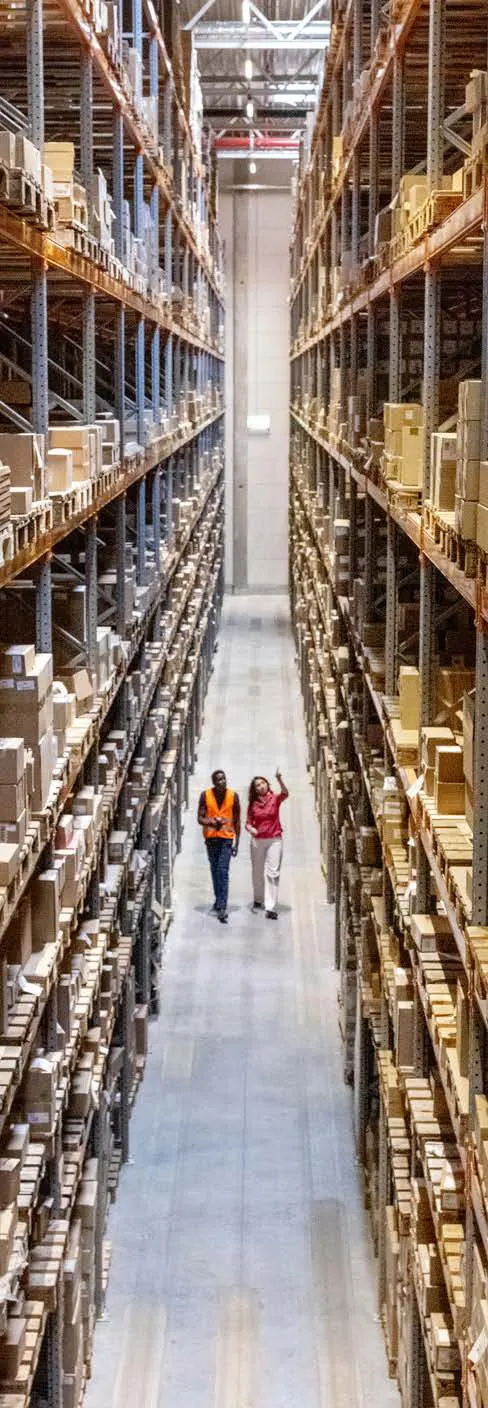
By leveraging shop floor automation, your company can capture real-time data on machine utilization, production rates and downtime. This data can be analyzed within the ERP to identify areas for improvement, optimize production schedules and minimize waste. With the right ERP system, your business can achieve higher productivity levels, while reducing costs and enhancing your overall operational efficiency.
- Supply Chain Management (SCM) An ERP system with a robust Supply Chain Management (SCM) module provides your manufacturing company with the tools you need to effectively manage vendors, evaluate performance and facilitate collaboration through online portals. With SCM functionality, your business can streamline procurement processes, automate purchase orders and track supplier performance. This ensures that the right materials are delivered on time, at the right price and from reliable sources. By having a smooth flow of incoming products, your business avoids production delays, reduces costs and improves customer satisfaction.
- Service Management Expanding post-sales service offerings can be a lucrative revenue stream for your manufacturing company. When selecting an ERP system, consider service management functionalities that support field service or depot repair operations. By integrating service management with the core ERP system, your company can effectively manage service requests, schedule technicians and track service contracts. This enables your business to provide timely and efficient service to customers, improving customer satisfaction and loyalty. Additionally, service management functionality within an ERP system allows you to track service-related costs, analyze profitability and identify areas for improvement. 9
- Serial & Lot/Batch Tracking
For industries that require serialization, lot tracking or batch tracking, it is crucial to choose an ERP system that supports these features. Serialization and lot tracking capabilities ensure product traceability throughout the supply chain, maintaining compliance with industry regulations and standards.
With serial and lot tracking functionality, you can track and trace individual units or batches of products from the point of origin to the end customer. This enables your company to quickly identify and address quality issues, minimize the impact of recalls and maintain the integrity of your products. By having complete visibility into the movement of products, your business can build trust with customers and ensure the highest level of product safety.
- Business Intelligence
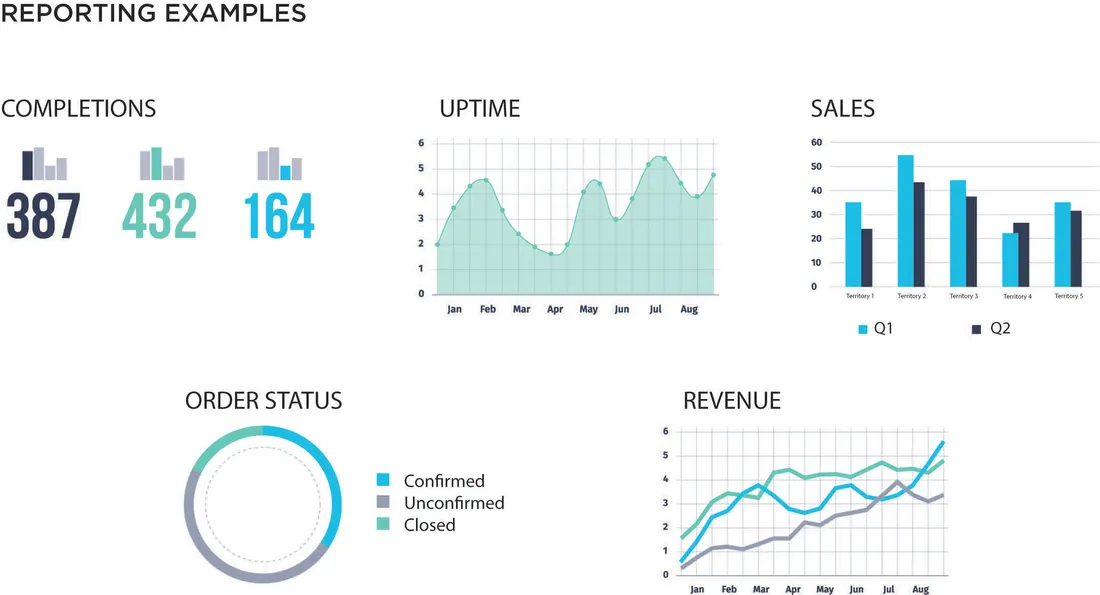
Real-time visibility into data is crucial for making informed decisions. When selecting an ERP system for manufacturing, it is important to look for robust business intelligence tools that offer insights into profitability, costs and expenses as they occur.
With integrated business intelligence functionality, you can analyze key performance indicators (KPIs), generate real-time reports and visualize data to identify trends and patterns. This reduces guess-work, empowering your company's executives to make datadriven decisions, optimize processes and drive strategic initiatives. By leveraging business intelligence insights, your business can improve operational efficiency, reduce costs and increase innovation.
10

Factors to Consider When Selecting Manufacturing ERP Software
Selecting the best ERP software for your manufacturing business requires careful consideration. Here are some factors to keep in mind during the selection process:
- Cost and ROI
When evaluating ERP software for your manufacturing business, cost is an important consideration. ERP system costs vary significantly, so it's essential to evaluate the benefits against the initial investment.
Look for software that offers high value for the money, and consider long-term returns on investment. It's crucial to assess the total cost of ownership, including implementation services, ongoing support and any additional modules or upgrades that may be required in the future.
While it may be tempting to opt for a less expensive ERP solution, it's important to remember that quality and functionality should never be compromised. Investing in a robust and reliable ERP system may require a higher upfront cost but can provide significant savings in the long run through improved efficiency, reduced errors and streamlined processes.
"We're investing heavily in technology...but we're not investing blindly. We're
"
investing in things that have a clear return on investment." —Jim Farley, CEO, Ford Motors4 11
- Features
Every manufacturing company has unique requirements and challenges. Therefore, it is crucial to identify the key features that are essential for your business processes. Look for ERP software that offers industry-specific solutions that quickly address your specific needs. Some essential features to consider include inventory management, production planning, supply chain management, quality control and financial management. Increasingly, modern ERP solutions feature modular configuration, addressing specific functionality needs at an affordable cost.
Additionally, consider how the ERP software integrates with other systems and software that your business relies on. Seamless integration with existing systems, such as CRM software or e-commerce platforms, enhances efficiency and eliminates the need for manual data entry or duplicate processes.
- Reputation
Choosing a reputable ERP vendor is essential to ensure a smooth implementation and ongoing support. Look for ERP vendors with a deep understanding of the manufacturing industry and a proven track record of successful implementations. Research customer reviews, case studies and testimonials to gauge the vendor's expertise, reliability and customer satisfaction.
It is also beneficial to seek recommendations from other manufacturing companies or industry experts who have experience with ERP software. Their insights and firsthand experiences can provide valuable information and help you make an informed decision.
"At Tesla, we prioritize efficiency and innovation in everything we do. When choosing an ERP system, we looked beyond just features and functionality. We
"
sought a vendor with a stellar reputation for agility and adaptability, one that could evolve alongside our rapidly growing business. This forward-thinking approach has been instrumental in our ability to scale and stay ahead of the curve." —Elon Musk, CEO, Tesla and SpaceX5
- Security
Manufacturing companies handle sensitive data, including customer information, financial records and proprietary product information. Therefore, cybersecurity should be a top priority when selecting ERP software. Look for ERP vendors that adhere to the highest standards of security and have robust measures in place to protect your data.
Request information about the ERP vendor's security protocols, including encryption methods, access controls and data backup procedures. Additionally, inquire about the vendor's history of security audits and certifications to ensure that they are committed to maintaining the integrity and confidentiality of your data. 12
- Scalability
As your manufacturing business grows and evolves, your ERP software needs to adapt to accommodate increased volumes and expanding operations. Therefore, it is crucial to assess the scalability of the ERP software before making a decision. Consider whether the software can handle your business's growth objectives and support additional users, locations or product lines.
Scalability also extends to the system's flexibility in customizing workflows and processes to align with your evolving business needs. Look for ERP software that allows for easy configuration and customization without excessive reliance on external consultants or developers. A flexible and scalable ERP system will provide the foundation for future growth and ensure that your software investment remains relevant and valuable for years to come.
Conclusion This 2024 Guide to ERP Software for Manufacturing serves as a resource for businesses seeking to navigate the complexities of implementing and optimizing Enterprise Resource Planning (ERP) systems. As the manufacturing landscape evolves, the importance of a tailored ERP solution becomes paramount. By exploring key features and critical considerations in ERP selection, including cost, features, reputation, security and scalability, your business can make informed decisions to propel operations toward efficiency, growth and sustained success.
Ultra Consultants is an independent enterprise software consulting firm serving the manufacturing and distribution industries in North America. With extensive experience in a wide variety of manufacturing ERP systems and current best practices across various industries, we understand the unique challenges and opportunities in the manufacturing sector. For more information and additional resources on how to bring our expertise right to your doorstep, visit us at ultraconsultants.com.
References
- Collins, J. (n.d.). Jim Collins - Articles - Good to Great. https://www.jimcollins.com/article_topics/articles/good-to-great.
html
- O. (2023, February 22). Difference Between MRP vs MRP II vs ERP | OptiProERP. ERP For Manufacturers | Manufacturing
Software | OptiProERP. https://www.optiproerp.com/blog/mrp-vs-mrp-ii-vs-erp-an-introduction-for-manufacturers/
- GM Facilities | General Motors. (n.d.). https://www.gm.com/company/facilities
- Transcribing, M. F. (2023, July 28). Ford Motor Company (F) Q2 2023 Earnings Call Transcript. The Motley Fool. https://
www.fool.com/earnings/call-transcripts/2023/07/28/ford-motor-company-f-q2-2023-earnings-call-transcr/
- Frye, R. (2023, June 27). The Inside Story of SpaceX's ERP System: An IT Revolution in the Space Industry. OATUU.
https://oatuu.org/the-inside-story-of-spacexs-erp-system-an-it-revolution-in-the-space-industry/