With the exponential pace of modern industry, corporations seek smoother operations and an edge over their competitors.
A pioneering innovation that has shown itself as a difference-maker is Artificial Intelligence (AI). By integrating AI into Enterprise Resource Planning (ERP) systems, your business can leverage powerful insights, enhance decision-making processes and streamline operations.
What is Artificial Intelligence in ERP?
Artificial Intelligence refers to the ability of computers to perform tasks that require human-like intelligence. In ERP systems, AI enables your business to analyze vast amounts of data, derive valuable insights and make informed decisions. AI-powered ERP systems leverage advanced algorithms and machine learning to automate processes, predict outcomes and optimize your operations.
2
What's inside.
3 Areas Where AI is Transforming ERP Systems
Examples of AI in Common ERP-Facilitated Processes 6
10 Advantages of an AI-Powered ERP System 8
11 Conclusion 3

Areas Where AI is Transforming ERP Systems
AI is revolutionizing ERP systems and transforming the way businesses operate. This technology is being applied to various business process problems across multiple industries. These solutions can be categorized into user aids and augmentation, process improvement, and planning and forecasting. The following are the seven key areas where AI is having the greatest impact on ERP systems.
- Vision Systems
Vision systems provide machine vision and image recognition capabilities, enabling computers to see and recognize images. For example, in warehouse management, vision systems can be used to determine the location of stock levels of parts and products, ensuring accurate inventory management and efficient order fulfillment. In larger warehouses, autonomous vehicles also leverage vision systems, using light detection and ranging (lidar) devices to navigate and identify obstacles in their path.
By incorporating vision systems into ERP, your business can achieve higher levels of automation, accuracy and productivity.
- Speech Systems
Speech systems are another building block of AI-powered ERP systems. These systems convert text to speech and speech to text, facilitating human-to-machine interfaces.
Voice recognition technology has become increasingly prevalent, allowing users to interact with ERP systems using natural language commands. This enhances the user experience, improves accessibility and enables hands-free operation in various business scenarios. Speech systems in within ERP systems enable seamless communication between users and the system, reducing the need for manual data entry and simplifying complex workflows.
- Natural Language Processing (NLP)
NLP systems enable the understanding and management of interactions between machines and people. These systems extract, classify, translate, respond and generate text, making it possible for ERP systems to comprehend and process human language. 4
- Natural Language Processing (NLP) (cont'd)
NLP capabilities are particularly useful in customer service, where AI-powered chatbots can handle customer inquiries and provide instant responses. In ERP systems, NLP enhances data analytics and reporting, enabling users to effortlessly extract insights from vast amounts of textual data. By leveraging NLP, your business can gain context in otherwise disparate interactions, helping with decision-making and enhancing operational efficiency.
"AI is democratizing manufacturing. It's making it possible for smaller companies
"
to compete with large corporations by giving them access to the same powerful tools and insights." —Marc Benioff, CEO, Salesforce1
- Expert Systems
Expert systems are designed to manage extensive collections of rules created by subject matter experts. These systems tackle complex logic problems and tap into vast knowledge bases to help make decisions.
In ERP systems, expert systems play a crucial role in automating decision-making processes. For example, in supply chain management, expert systems can optimize inventory levels, suggest efficient routes for transportation and identify potential risks in the supply chain. Expert systems in ERP software can help your organization reduce human error and variance caused by assumptions and independent opinions, increase accuracy and improve overall system intelligence.
- Machine Learning
Machine learning systems learn from large volumes of data to generate results. These systems can be supervised, unsupervised or employ deep learning techniques. In ERP systems, machine learning is transforming the way businesses analyze and utilize data.
By training algorithms on historical data, machine learning models can predict future trends, identify anomalies and suggest optimal courses of action. For instance, an AI-powered ERP system can monitor equipment to predict needed maintenance, reducing downtime and maintenance costs. Machine learning in ERP systems empowers your organization to make data-driven decisions, improves forecasting accuracy and enhances operational efficiency. 5
- Robotics

Robotics systems combine hardware and software from various areas to perform tasks that previously required human intervention. Robotic Process Automation (RPA) is a key component of AI-powered ERP systems, automating repetitive, rulebased tasks across multiple applications.
For example, "cobots," or collaborative robots, are robots designed to operate side-by-side with employees. To free up humans' attention for jobs requiring problem-solving abilities, these machines concentrate more on repetitive chores such as picking. By integrating robotics into ERP software, your organization can free up resources from mundane tasks, reduce errors and ensure consistent process execution across your organization.
- Planning and Scheduling
Planning systems are used to determine the best processes for reaching a set of goals. In ERP systems, AI-powered planning tools are becoming increasingly popular. For example, in transportation management, planning systems can optimize routes, allocate resources efficiently and reduce fuel consumption. In warehouse operations, AI-powered planning tools can determine the most efficient storage locations for materials, minimizing travel time and maximizing space utilization. By leveraging AI in planning and scheduling, your business can optimize operations, reduce costs and improve overall productivity.
"The AI...is actually helping us optimize where we put packages within the truck so that the driver has the shortest
"
possible walk...[and] avoids left-hand turns, which are more dangerous and time-consuming." —Carol Tomé, CEO, United Parcel Service2 6

Examples of AI in Common ERP-Facilitated Processes
AI is being applied to various business process problems across multiple industries. These solutions can be categorized into user aids and augmentation, process improvement and planning and forecasting.
- Conversational AI Bots
ERP systems can incorporate conversational AI bots, similar to consumer digital assistants like Siri and Alexa. These bots enable hands-free operations, allowing sales representatives, field service personnel and warehouse workers to interact with the ERP system through voice commands.
- Autonomous Mobile Robots (AMRs)
The latest generation of robots can move autonomously and perform various operations. These robots utilize technologies such as lidar and 3D mapping to navigate their surroundings. AMRs such as pallet movers are now more affordable and accessible to companies of all sizes.
- Overall Equipment Effectiveness (OEE)
AI is used to monitor and model equipment behavior, leveraging data from Internet of Things (IoT) devices. Machine learning algorithms analyze real-time sensor data to provide insights into equipment uptime, performance and product quality, taking Overall Equipment Effectiveness to new levels.
- Sales
AI tools are enhancing key sales processes, including lead and opportunity recommendations, product pricing and up-sell and cross-sell suggestions. These tools leverage historical data to determine which sales leads should be pursued and help optimize product pricing. 7
"The application of AI in manufacturing is projected to unlock an additional $5 trillion
"
in economic value by 2030, largely driven by personalized products and optimized supply chains." —Gartner, Inc.3
- Marketing AI is transforming marketing by leveraging customer data to tailor unique messages and experiences. Marketers can analyze social media, customer service interactions and product quality systems to gain valuable insights and adjust marketing strategies accordingly.
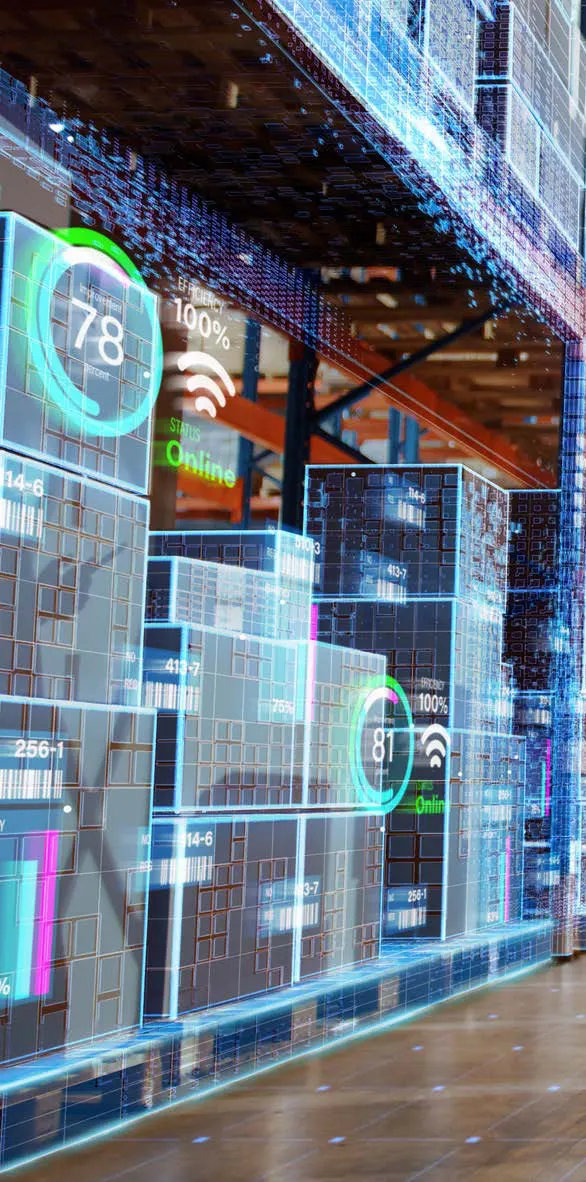
- Warehouse Planning AI is well-suited for optimizing the staging and movement of materials and products in warehouses. AI algorithms can analyze data from ordering, manufacturing and warehouse systems to determine the optimal warehouse utilization and modify configurations to meet demand.
- Production Planning AI enhances manufacturing production planning by analyzing data to gain insights and make informed decisions. AI-powered planning can consider factors like consumer sentiment and dynamic ordering changes to optimize production operations. 8

10 Advantages of an AI-Powered ERP System
The integration of AI into ERP systems offers numerous benefits and advantages for businesses. Let's explore ten key advantages:
- Improved Data Accuracy
AI-enabled ERP systems help reduce human error in data entry and processing, resulting in improved data accuracy. This ensures that your business makes informed decisions based on reliable and up-to-date information. By automating data entry and validation processes, AI eliminates the risk of human error and ensures that data is consistently accurate and reliable.
Furthermore, AI algorithms can analyze large datasets with ease, detecting patterns and trends that humans may overlook. This allows your business to gain valuable insights from data and make datadriven decisions with confidence.
- Enhanced Forecasting
One of the key advantages of AI-powered ERP systems is the ability to enhance forecasting capabilities. AI algorithms can analyze patterns and trends in data, allowing for more accurate forecasting and improved decision-making. This enables your business to optimize inventory levels, plan production schedules and anticipate market demand effectively.
By leveraging AI-powered forecasting, your business can avoid stock outs or excess inventory, resulting in cost savings and improved customer satisfaction. AI can analyze historical data, market trends and external factors such as weather patterns or economic indicators to provide accurate and timely forecasts.
"The biggest impact of AI won't be on machines, but on people. It will free up
"
workers from repetitive tasks and allow them to focus on more creative and strategic work. This is a good thing for both companies and employees." —Satya Nadella, CEO, Microsoft4 9
- Streamlined Operations
By automating repetitive tasks, AI-powered ERP systems free up employee time for more strategic initiatives. This increases operational efficiency and enables employees to focus on value-added activities that drive business growth.
For example, AI can automate routine tasks such as data entry, invoice processing or inventory management, allowing employees to allocate their time and energy to more complex and strategic tasks. This not only improves productivity but also enhances employee satisfaction by reducing the burden of mundane and repetitive work.
- Predictive Maintenance
Equipment failures lead to costly repairs, unplanned downtime and loss of productivity. However, AI-powered ERP systems can help your business avoid these issues by enabling predictive maintenance. AI algorithms analyze sensor data from equipment and identify patterns indicative of potential issues or failures.
By proactively addressing maintenance needs based on AI-generated insights, your business minimizes downtime, optimizes maintenance schedules and avoids costly repairs. This not only saves money but also ensures that critical equipment is functioning optimally, reducing the risk of disruptions in operations.
"We are using AI to predict equipment failures before they happen, which has
"
saved us millions of dollars in downtime and lost production. AI is a game-changer for manufacturers who want to stay competitive." —Carlos Torres Vila, Chairman and CEO of BBVA Bank5
10
- Better Customer Service
Customer satisfaction is paramount for the success of any business. AI-powered ERP systems significantly improve customer service by analyzing customer behavior and preferences. By understanding customer needs and preferences, your business is able to personalize offerings and provide a superior customer experience.
For instance, AI can analyze past purchase history, browsing patterns and social media interactions to offer tailored product recommendations. This not only enhances customer satisfaction but also increases customer loyalty and drives repeat business. Additionally, AI-powered ERP systems facilitate responsive customer support by automating ticketing systems and providing instant access to customer information.
- Real-time Insights
In today's rapidly changing business landscape, real-time insights are crucial for making informed decisions. AI-powered ERP systems gather and analyze data from various sources in real-time, providing your business with valuable insights for quick decision-making.
By leveraging real-time data, your business responds promptly to market changes, customer demands and competitive threats. For example, real-time insights can help your business identify emerging trends, adjust pricing strategies or optimize marketing campaigns. This agility and responsiveness can give give your business a competitive edge and enable you to stay ahead in dynamic markets.
- Cost-Efficiency
AI-powered ERP systems contribute to cost-efficiency by identifying inefficiencies and suggesting areas for cost savings within your business processes. By optimizing operations, reducing waste and improving resource allocation, AI-powered ERP systems increase profitability and contribute to the bottom line.
For instance, AI can analyze production processes to identify bottlenecks or areas of waste. By streamlining these processes, your business reduces costs and improves overall efficiency. Similarly, AI can optimize inventory levels to prevent overstocking or stockouts, minimizing carrying costs and improving cash flow.
- Greater Scalability
As businesses grow and evolve, they need systems that can scale with their needs. AI-powered ERP systems are easily scalable, allowing your business to accommodate growth without significant investments in additional resources. This scalability ensures that ERP systems adapt to changing business needs and support expansion without disruptions.
For example, as your business expands into new markets or launches new product lines, an AIpowered ERP system can seamlessly handle the increased data volume and complexity. This eliminates the need for costly system upgrades or migrations, saving time and resources.
- Advanced Security Features
In today's digital landscape, cybersecurity is a top concern for businesses. AI-powered ERP systems provide advanced security features to protect sensitive data and systems from cyber threats. 11
- Advanced Security Features (cont'd)
AI algorithms can detect unusual activities and potential cyber security threats within ERP systems by continuously monitoring for suspicious behavior and proactively identifying vulnerabilities. This enables your business to take timely action to prevent data breaches or unauthorized access. By leveraging AI-powered security features, your business enhances the overall system security and is able to protect valuable assets.
- Improved Supply Chain Management
Efficient supply chain management is crucial for businesses to deliver products and services on time and meet customer expectations. AI-powered ERP systems help optimize supply chain operations by forecasting demand, optimizing inventory levels and streamlining logistics processes.
By leveraging AI-powered insights, your business can accurately forecast demand, ensuring that the right products are available at the right time. AI can also optimize inventory levels by analyzing historical data, market trends and customer behavior, minimizing carrying costs while avoiding stockouts. Additionally, AI can streamline logistics processes by optimizing transportation routes and scheduling, reducing costs and improving delivery times.
Conclusion The benefits of AI-powered ERP systems are undeniable. By leveraging AI capabilities, your business can unlock unprecedented efficiency, gain valuable insights and deliver personalized experiences to customers. From improved data accuracy to enhanced forecasting and streamlined operations, AI-powered ERP systems provide a competitive advantage and drive sustained growth in today's dynamic business environment. Embracing AI technology in ERP systems is not just an asset; it has become a necessity for any organization striving for operational excellence and sustainable success.
Ultra Consultants is an independent consulting firm serving the manufacturing and distribution industries. With the guidance and expertise offered by Ultra Consultants, your business can leverage AI capabilities to unlock greater efficiency, harness invaluable insights and optimize operations for sustained growth in a competitive business landscape. For more information and additional resources on how to bring our expertise right to your doorstep, visit us at ultraconsultants.com.
References
- https://blogs.emorphis.com/salesforce-ai-cloud/
- 2023 UPS Investor Day, June 7, 2023 https://investors.ups.com
- Gartner research report, "AI in Manufacturing: The Next Industrial Revolution"Harvard Business Review, 95(7-8), 66-73
2017, July-August. How Microsoft Will Lead in the Age of Artificial Intelligence
- Harvard Business Review, 95(7-8), 66-73 2017, July-August. How Microsoft Will Lead in the Age of Artificial Intelligence
- https://www.bbva.com/en/innovation/bbva-doubles-down-on-its-data-push-with-the-creation-of-the-ai-factory