How ERP Solves Challenges for the Metals Industry
The metals industry plays a crucial role in various sectors, providing essential materials for construction, manufacturing and infrastructure development. However, like any industry, it faces a number of challenges. These factors put upward pressure on prices and make it difficult for metal producers to operate profitably.
Rising raw material costs, supply chain disruptions, a shortage of skilled workers and the need to balance cost and quality are just a few of the obstacles that metal fabricators encounter. Fortunately, technology—specifically Enterprise Resource Planning (ERP) systems—can help overcome these challenges and
drive success in the metals industry.
ONE
Balancing Cost and Quality:
Leveraging Automation and Advanced Software
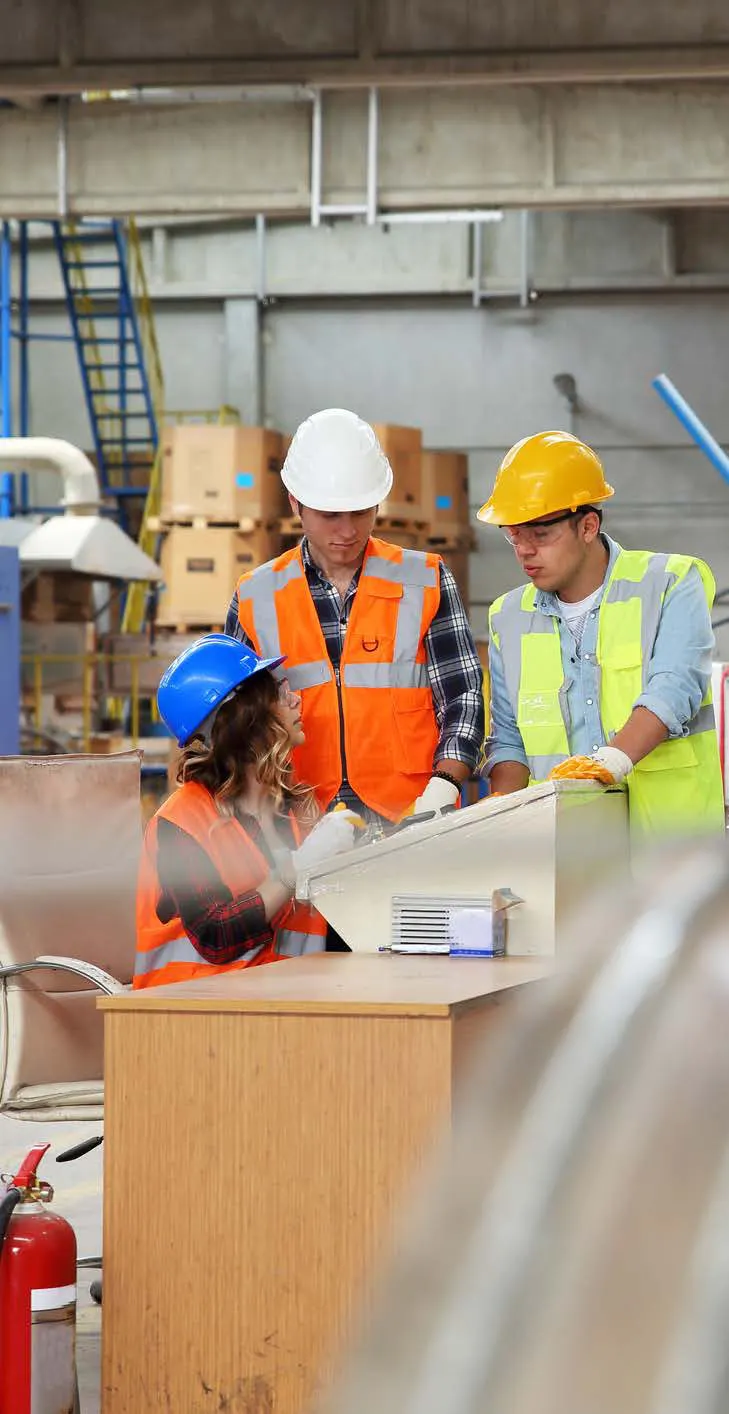
One of the major challenges faced by the metal-processing industry is the need to reduce costs while maintaining high-quality standards. Factors such as raw material prices, labor costs and part complexity significantly contribute to production costs. As a metal fabricator, you must constantly seek ways to balance cost-efficiency and quality to remain competitive. ERP solutions enable your company to stay competitive in the market by balancing cost and quality.
ERP software can be a game-changer. By automating processes such as inventory management and production planning, ERP systems help you reduce part and labor costs and improve overall efficiency. Digital technology, including "Quality isn't expensive, it's an robots and other automated systems, can supplement investment. By investing in quality, manual labor, resulting in increased productivity and metals producers can reduce their reduced production costs. Moreover, modern ERP systems costs in the long run. This is because have advanced functionality that allow you to manage high-quality products are less likely to inventory efficiently and gain visibility into financial data, fail, which means that producers have ensuring better cost control and waste reduction. to spend less money on repairs and replacements."
—Philip Crosby, Author, Quality is Free
TWO
Supply Chain Disruptions:
Enhancing Visibility and Resilience
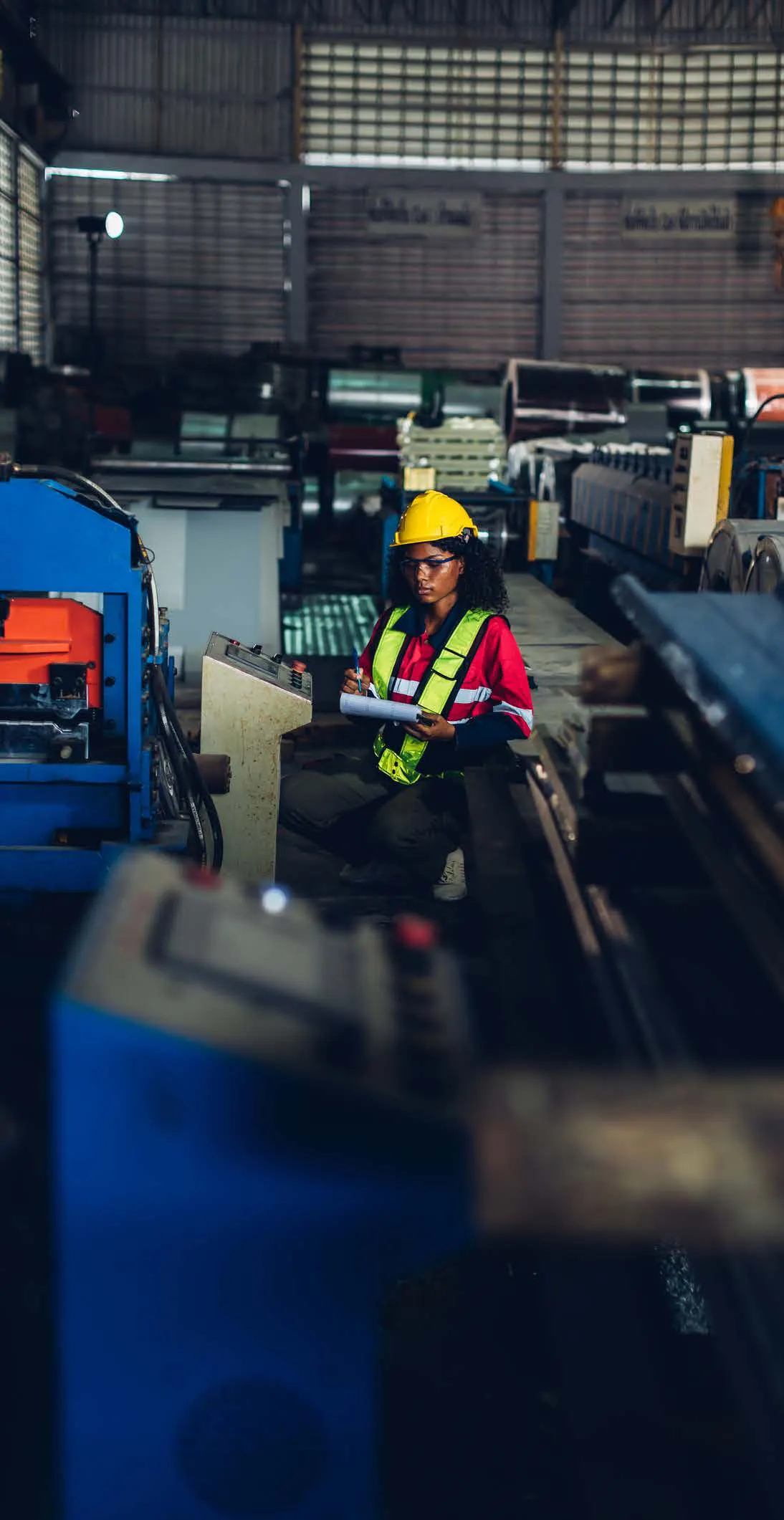
The metals industry, like many others, has experienced significant disruptions in its supply chain. The COVID-19 pandemic and other global events have led to shortages in raw materials, longer lead times and shipping delays. To navigate these challenges, metal fabricators turn to ERP systems for enhanced visibility and supply chain resilience.
ERP systems provide real-time data and analytics. They allow you to monitor and manage every aspect of your supply chain. By leveraging advanced supply chain management modules within an ERP system, you can optimize order quantities, plan deliveries based on production requirements and reduce inventory costs.
Additionally, ERP systems provide accurate demand forecasting based on historical trends, enabling you to anticipate and mitigate potential disruptions. With an Visibility is the key to resilience in integrated ERP system, you can build a more resilient and the metals supply chain. Without it, agile supply chain. we are flying blind and vulnerable to disruptions."
—Daniel Bysouth, Global Head of Metals Supply Chain at BHP
THREE
Shortage of Skilled Workers:
Automating Processes and Upskilling
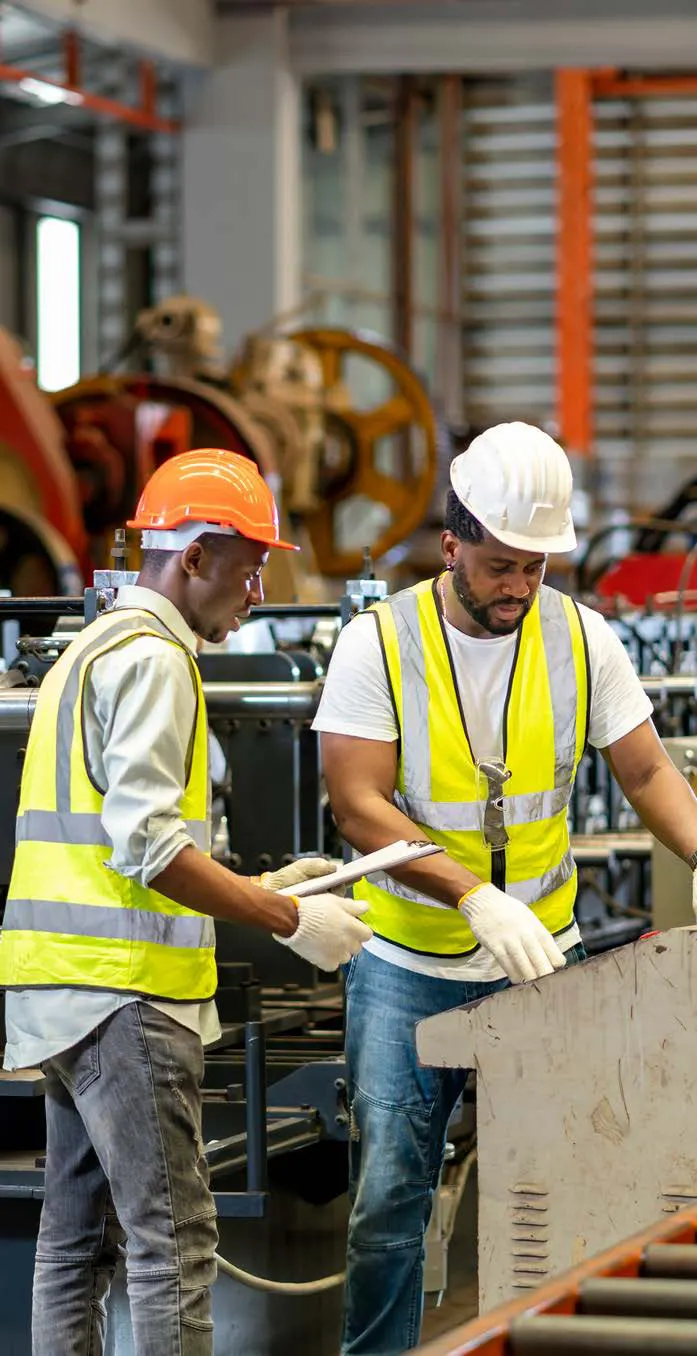
Another significant challenge faced by the metals industry is the shortage of skilled workers. As older workers retire, there are fewer young people entering the industry to fill the gap. This shortage impacts productivity, quality and overall business operations. To address this challenge, your company can leverage technology to automate processes and upskill your existing workforce.
Automation technologies, such as robotics and connected devices, can help fill in the gaps left by a lack of manpower. By automating repetitive tasks, you free up your skilled workers to focus on more complex and value-added activities. This not only improves productivity but also enhances the job satisfaction of employees.
Additionally, you can invest in training programs and upskilling initiatives to ensure that your workforce is equipped "The metals industry is facing a skills with the necessary skills to operate and maintain advanced crisis. We need to invest in training and manufacturing technologies. By combining automation and apprenticeship programs to ensure that upskilling efforts, your company can overcome the shortage we have the workforce we need to meet of skilled workers and optimize the efficiency of your the demands of the future." current workforce. —National Association of Manufacturers (NAM)
FOUR
Rising Raw Material Costs:
Managing Raw Materials Costs
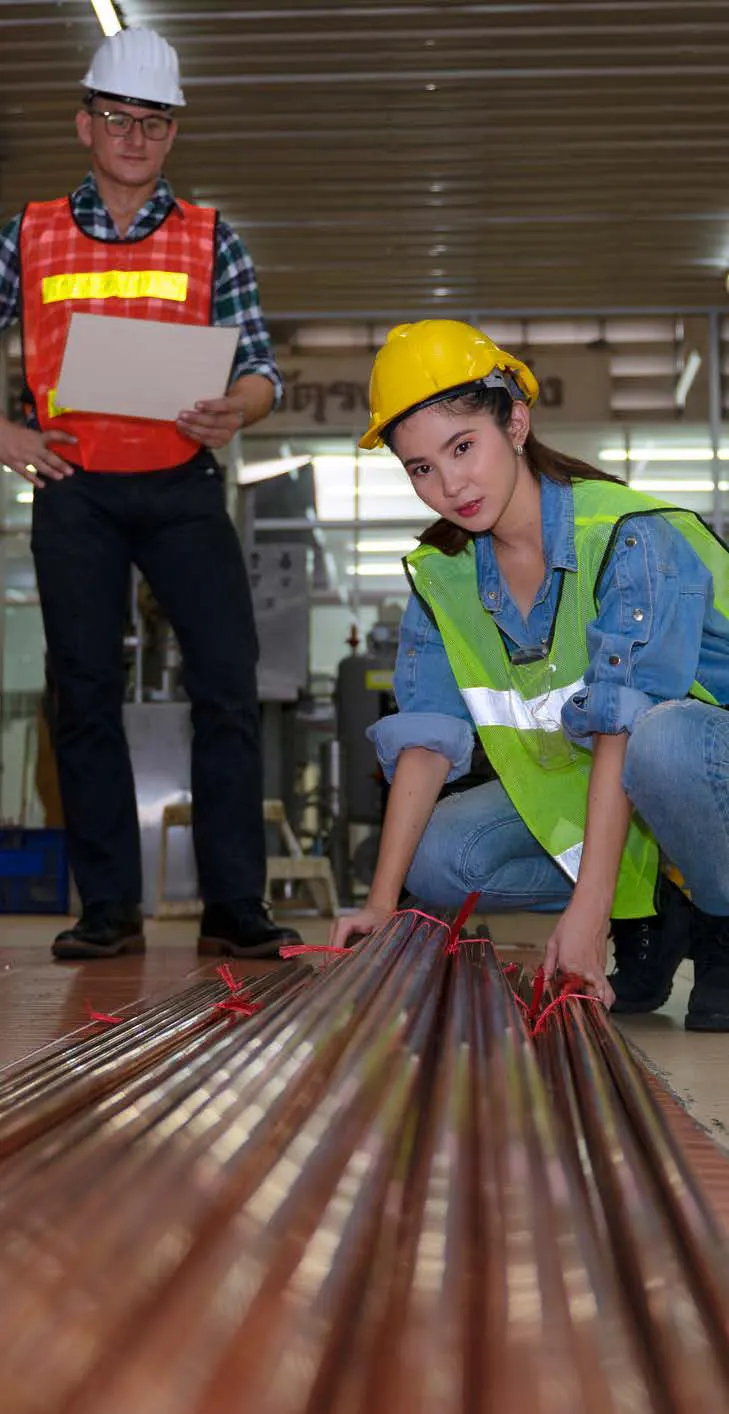
One of the primary challenges faced by the metals industry is the constant fluctuation in raw material prices. For example, iron ore has increased in cost by 50% in the last year alone, and the overall cost of all metals has steadily increased over the past few years. This puts pressure on manufacturers to maintain profitability while ensuring the consistent output of their products.
To address this challenge, you can leverage ERP systems to gain better visibility into your supply chain. This enables you to track and manage raw material costs more effectively. With real-time data and analytics, you can make informed decisions about procurement, inventory management and pricing strategies. ERP systems also help "The metals industry is facing a perfect automate production processes, reducing labor costs and storm of rising raw materials costs, improving efficiency. supply chain disruptions and labor shortages. This is making it difficult for companies to keep up with demand and is putting upward pressure on prices."
—Global Investment Bank Analyst
FIVE
Inefficient Operations:
Enhancing Efficiency with ERP Systems
Inefficient operations are a major challenge for companies in the metal industry. They can lead to higher costs, lower quality products, and a loss of market share. These inefficient operations are brought about by a number of issues such as outdated equipment and technology, poor management practices and lack of coordination between different departments. ERP systems offer a comprehensive solution for optimizing operations and enhancing efficiency.
With an integrated ERP system, your company can centralize its operations, from procurement and inventory management to production planning and scheduling. By having a single source of truth, you eliminate data silos and improve collaboration across departments.
ERP systems also provide real-time visibility into production processes, allowing you to track job progress, monitor resource utilization and identify bottlenecks. With advanced planning and scheduling features, you can optimize "ERP systems can help metals production workflows, minimize downtime and ensure companies to streamline their on-time delivery. By streamlining operations with ERP operations, improve efficiency and systems, your company can achieve greater efficiency and reduce costs." competitiveness in the market.
—David Hogue, Forbes

SIX
Intuition-Driven Decision Making:
Leveraging Analytics and Reporting
Intuition-driven decision making poses a significant challenge to companies in the metal industry. This sector relies heavily on data-driven processes and precision, making decisions based on speculation risky. Factors such as fluctuating metal prices, market dynamics and complex supply chains demand analytical rigor. Relying on intuition leads to costly errors in resource allocation and strategy, highlighting the need for a more data-centric approach to ensure competitiveness and sustainability in this highly competitive field. ERP systems offer powerful analytics and reporting capabilities that enable fabricators to derive insights from their data and make informed decisions.
By leveraging data analytics tools within an ERP system, you can evaluate production trends, identify inefficiencies and optimize resource allocation. Real-time reporting and dashboards provide your company with a holistic "Intuition is a powerful tool, but it can view of your operations, enabling you to monitor key also be a dangerous one. In the metals performance indicators (KPIs) and take corrective actions industry, where decisions can have a when necessary. With data-driven decision making, you major impact on safety, quality and cost, can continuously improve your processes, enhance quality it is important to balance intuition with control, and achieve better overall business outcomes. data and analysis."
—Alcoa Industries former Chief
SEVEN
Non-Compliance:
Meeting Regulatory and Quality Standards
Stringent environmental regulations, safety standards and quality control measures are essential in the metal industry sector. Failure to adhere to these requirements can result in hefty fines, reputational damage and even legal actions. Additionally, non-compliance leads to compromised product quality, endangering customer safety and satisfaction. Thus, staying compliant is not just a regulatory obligation but a critical aspect of sustainable business operations in the metal industry. ERP systems offer features and functionalities that can help your company ensure compliance and maintain high-quality standards.
With integrated quality management modules, you can track and manage quality control processes, perform inspections and document non-conformances. ERP systems also provide traceability features, enabling you to trace the origin of materials, track production processes and maintain accurate records for audits or certifications. By leveraging "Compliance in the metals industry is a ERP systems for compliance management, you can meet complex and challenging task, due to regulatory requirements, enhance customer satisfaction and the variety of regulations and standards build upon your reputation for quality and reliability. that must be met."
—Metals Industry Association

EIGHT
Inability to Scale for Growth:
Adapting ERP Systems to Changing Needs
The inability to scale for growth poses a significant challenge to companies in the metal industry. As demand fluctuates, businesses must adapt swiftly to meet increased production needs. Those unable to expand their operations efficiently may face supply shortages, missed market opportunities and reduced competitiveness. ERP systems offer scalability and flexibility, allowing fabricators to accommodate growth and new business requirements.
With modular ERP systems, you can add or remove functionalities as needed, ensuring that the system aligns with your evolving needs. Cloud-based ERP solutions also provide scalability, allowing you to scale your IT infrastructure up or down based on business demands. By adapting ERP "To scale for growth, metals companies systems to changing needs, you can support your growth need to invest in new technologies ambitions and seize new opportunities in the market without and processes that can help them to the need for a major technology overhaul. produce more metal more efficiently and sustainably."
—Mark Cutifani, former CEO of Anglo American

NINE
Tech for Tech's Sake:
Embracing the Power of Technology
While technology, particularly ERP software, offers solutions to the challenges faced by the metal fabrication industry, it is vital for your company to invest in the right technology and use it effectively. Simply adopting ERP software is not enough; you must ensure that employees are trained to utilize the system and continuously evaluate and improve your operations.
Investing in technology goes beyond implementing ERP software. Continuous improvement is a crucial aspect of managing challenges in the metal fabrication industry. Your company must strive to enhance processes and capabilities across all departments, working in alignment to identify and "Poor or insufficient training has improve processes, eliminate waste and achieve efficiency been identified as a cause of serious standards. Key Performance Indicators (KPIs) should be problems, if not failure, in some established and regularly analyzed to track progress and ERP projects, with additional postidentify areas for improvement. implementation training required to rectify issues."
—Dr. Stephen Gourlay, Kingston Business School Conclusion
ERP systems offer a comprehensive solution for addressing the challenges faced by the metals industry. From managing rising raw material costs to optimizing supply chain operations, balancing cost and quality, streamlining operations and ensuring compliance, ERP systems provide you with the tools and capabilities needed to overcome challenges and drive success.
By embracing current technology and leveraging ERP systems, you enhance efficiency, competitiveness and resilience in a rapidly evolving industry.
At Ultra Consultants, we understand the complexities within your industry. Put our decades of knowledge and experience to work for you and utilize our proven methodology to maximize the potential of your business. For more information and additional resources on how to bring our expertise right to your doorstep, visit us at ultraconsultants.com.