January 2019
THE REAL FACTS ABOUT ERP IMPLEMENTATION
BUSTING THE MYTH OF FAILURE, BUT ARE YOU OVERRATING YOUR SUCCESS?
Enterprise Resource Planning (ERP) implementation is certainly not for the Data Source faint of heart. But neither is it the scary ordeal that many describe it as, In November 2018, Mint nor is it doomed to fail. While disasters provide good fodder for Jutras conducted a sensationalized headlines, failure rates are generally overstated. A recent survey of 315 Mint Jutras study of ERP implementation success by manufacturers and manufacturers and distributors found 67% rate their implementations as successful or very distributors, focusing on successful. While 31% only achieved partial success, a scant 2% said they the success of their ERP implementations in were "not very successful" and only one out of the 315 surveyed described terms of schedule, cost their implementation as a failure. and return on And yet, while many are meeting expectations in terms of schedule, investment (ROI). budget and return on investment (ROI), we need to step back and Responses were question whether these expectations are set high enough. Based on collected from benefits actually realized, Mint Jutras feels many are over-rating their companies ranging in success and leaving additional attainable returns on the table. In our size from $25 million to view, an ERP implementation should never be viewed as done and the ROI multi-billion dollars in should be sustainable. annual revenues, and from quite new Here we explore the pace, the goals, the challenges, and the perceived implementations, as well success of ERP implementations. Where are the benefits are coming as those that are more from? If you are in the midst of an evaluation, what should you expect? mature. What should you do to maximize your investment? If you are not This survey and study evaluating next steps, maybe you should be. What more could you be was commissioned by getting out of your investment? Is it time for a major overhaul or even a Ultra Consultants, an new solution? Today's fast-paced, global digital economy leaves no room independent research for complacency. and enterprise software consulting firm serving
SETTING GOALS
the manufacturing and distribution industries An ERP implementation is too important to embark upon without first setting throughout North goals. These goals should also form the basis for expectations in terms of America, including those return on investment (ROI). You might have a single over-riding priority, or you with global operations. might have a long list of goals. We asked 315 survey participants to select their All data analysis was conducted objectively "top three" most important goals for ERP (Figure 1). Several only selected one and independently by or two, and a very small percentage (4%) indicated they set no goals. They Mint Jutras. simply knew they had to "do something." However, the vast majority did select three, leading us to believe that more often than not, they did indeed have a substantial list of goals. The Real Facts About ERP Implementation
Figure 1: Top 3 Most Important Goals for ERP
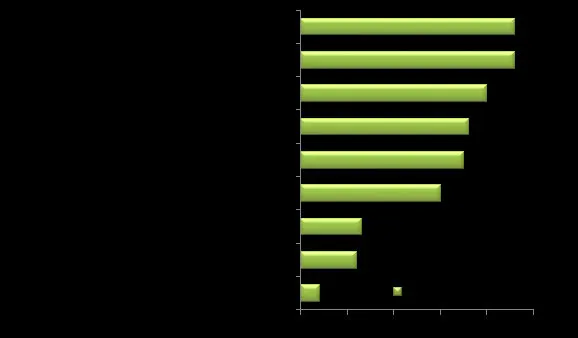
Source: 2018 Mint Jutras ERP Implementation Study Specific business cost savings and improvement of selected performance metrics top the list, but we found it somewhat surprising that less than half (46%) selected each. These two goals provide the most direct opportunity for ROI and most companies embarking on an ERP project must cost justify the expense. In the past this was always a capital expense, but as software as a service (SaaS) becomes more prevalent, less (or no) capital may be required, perhaps making it easier to justify. But that doesn't mean you shouldn't strive If your current solution is for ROI. not meeting your goals, or if you never set goals, Mint Jutras strongly recommends identifying specific, quantifiable goals before it may very well be time getting onboard with any project, whether that project is an implementation to step back and of a new solution, a significant upgrade or a major overhaul. If your current perform an audit of your solution is not meeting your goals, or if you never set goals, it may very well be current solution to time to step back and perform an audit of your current solution to determine determine if it is living if it is living up to its full potential. And then determine if that full potential is up to its full potential. sufficient to give you a competitive edge. If not, it may be time to replace it. Be And then determine if critical. If you can't be objective about this, find an independent third party that full potential is that can. The right technology-enabled applications can help propel growth sufficient to give you a competitive edge. If not, and superior performance, while those built on outdated technology can stifle it may be time to replace it, and so can a poor implementation. it.
SETTING THE PACE
If you are implementing a new ERP solution it is important to set a schedule. That schedule should be aggressive enough to establish and maintain momentum throughout, but it must also be achievable. Implementing a new solution that essentially runs your business is never easy. Putting together a The Real Facts About ERP Implementation
schedule that is impossible to meet, regardless of how hard you work, adds additional stress to an already stressful situation. Typically the best people to involve in the project are those you can least afford to distract from their current responsibilities. Many, if not all members of the implementation team will still be required to do their "day jobs" during the implementation. You simply cannot afford them to become frustrated and demoralized. So, what is aggressive enough, but still reasonable? The specific answer to that question will vary based on many factors, including the solution itself, the Bear this in mind: What you accomplish, and prior experience of the team, size of company, complexity of the business, just how much you achieve to name a few. This is a stage of the project where you may very well require in arriving at your first expert assistance, but we can offer some guidance based on data collected on "go-live" milestone can expected and actual time to achieving first "go live" milestones. vary. We choose this However, bear this in mind: What you accomplish, and how much you achieve metric for two reasons: in arriving at this first milestone can vary. Some implementations go "big ü It is less variable than bang" with all functions going live at once. Others may approach it more a full implementation incrementally. For smaller companies or those being divested from a larger corporation (on a tight timeline), it might represent their complete ü This is when you are implementation. For large multi-nationals with many different legal entities most likely to see specific, quantifiable and/or operating locations, it might represent a single division. We choose this results, metric for two reasons. First, it is less variable than a full implementation. Secondly, because this is when you are most likely to see specific, quantifiable results, although some companies benefit from business process reengineering even prior to going live. Because of this variability, we choose to present our findings in two different ways. First, we look at both expected and actual time to first "go live" milestones from the perspective of size of company, measured by annual revenue (Figure 2). You might expect the smaller the company, the faster the implementation. But that is not entirely true. Those companies under $100 million in annual revenues were a bit slower than those between $100 and $250 million. However, once you breach that threshold, expectations and actual time both increase with company size, as might be expected. Figure 2: How long before your first "go live" milestone is reached? Company Size
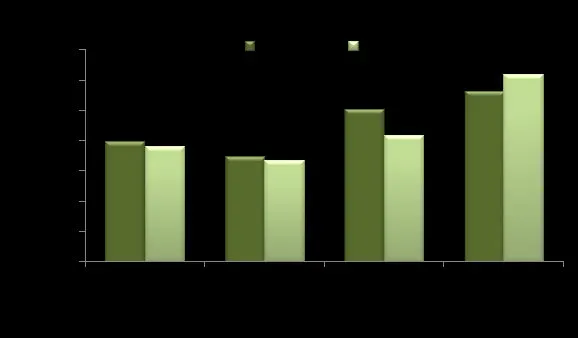
Company Size was based on annual revenues:
ü SMB: $25 to $100 million ü Midsize: $100 to $250 million ü Large: $250m to $2.5 billion ü Very Large: Over $2.5 billion Source: 2018 Mint Jutras ERP Implementation Study The Real Facts About ERP Implementation
So what's up with SMBs? While their businesses might be simpler, these small External assistance might companies are more likely to be operating on a shoe string, expecting staff to be needed, but not play multiple roles. They also may not allocate as many resources to the task, necessarily budgeted for. and/or have the necessary expertise on staff. If not, external assistance might But if an objective third be needed, but not necessarily budgeted for. But if an objective third party can party can get you to a bigger ROI faster, it can get you to a bigger ROI faster, it can ultimately pay for itself. ultimately pay for itself. We also noticed also that with the exception of the very large companies, in aggregate expectations were met. This is consistent with a separate question which asked exactly that (Figure 3). Figure 3: Were these (schedule) expectations met?
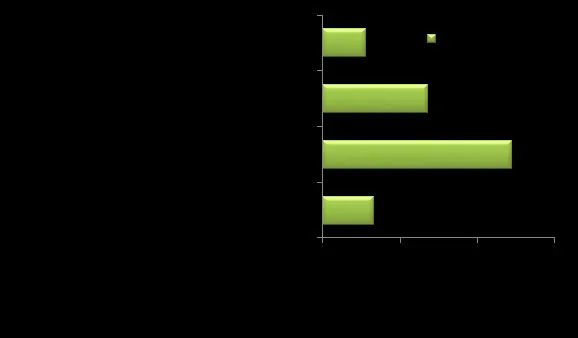
Source: 2018 Mint Jutras ERP Implementation Study All but 11% either met or exceeded expectations, or came close. That made it Categories Defined look easy, but we know that it is not. So this led us to wonder whether The categories shown in companies were over-compensating based on the myth of ERP failure. For Figure 4 are based on decades, the "normal" implementation was thought to take nine to twelve expectations for months. But new, next generation software has been designed to be easier to achieving a first "go live" implement and far easier to use. Is work expanding to fill the time allowed? milestone. Perhaps. To better understand, we divided the survey respondents into three ü Aggressive: Expected groups, based on the expectations for their first go live (see sidebar). within 6 months of project start Figure 4: How long before your first "go live" milestone is reached?
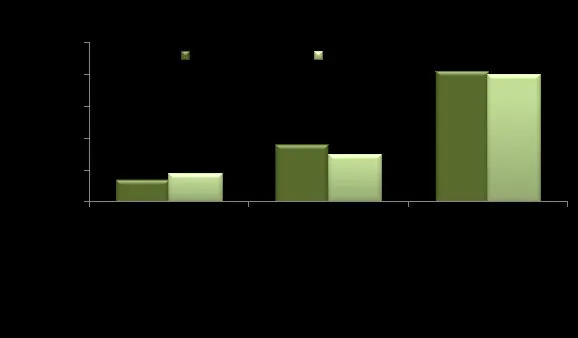
ü Moderate: Expected within the 6 to 12 month timeframe ü Over a year: Expected to take longer than a year before first "go live." While the scope can vary in terms of first "go live," this reduces the Source: 2018 Mint Jutras ERP Implementation Study variability from While those who were most aggressive were a bit overly optimistic, they still considering "full managed to go live much faster than those who allocated more time. You will implementation." The Real Facts About ERP Implementation
also find us using these three categories to present other data in this report which will further corroborate our message here: Don't over-pad your Don't be afraid to admit schedule. Perhaps you can be overly aggressive, but it is better to err on the to not having the side of too fast than too slow. necessary experience to plan it and do it right. However, "fast" and "aggressive" doesn't equate to "Quick and dirty." This is Consider getting help not the type of project you want to take lightly, and unless you are an ERP from certified experts to consultant, it's not something you do every day. Don't be afraid to admit to help you define goals, not having the necessary experience to plan it and do it right. Consider getting set an aggressive (but help from certified experts to help you define goals, set an aggressive (but achievable) schedule, achievable) schedule, and stay on track. and stay on track.
STAY UNDER BUDGET
Staying on track also means controlling costs. Those experts can also help you set a reasonable budget, and as added reassurance, seldom are consulting costs the reason you go over budget… unless of course you drag the project on for too long, and then rates may escalate. Another data point that serves to dispell the myth of ERP budget overruns and failure being common: 41% of our survey participants stayed on or under budget, another 35% were less than 10% over budget and only 26% went over budget by more than 10%. However, the percentage of those on or under budget rose by 32% (to 54%) for those who were aggressive in setting expectations for their first go-live (Figure 5). And only 13% of this category went over budget by more than 10%, compared to almost two thirds (63%) of those who expected to take more than a year to reach that point. Figure 5: How well did you perform against budget?
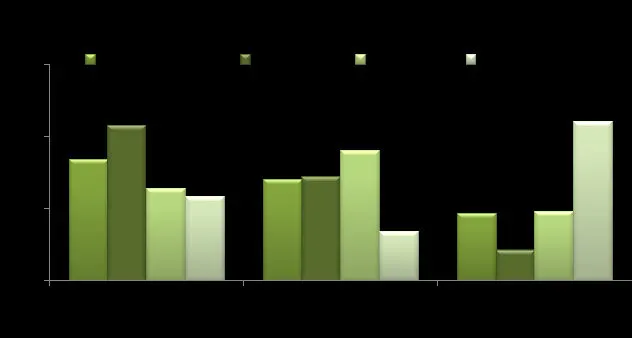
Only 13% of those who were aggressive in setting expectations for their first go-live went over budget by more than 10%, compared to almost two thirds (63%) of those who expected to take more than a year to reach that point.
Source: 2018 Mint Jutras ERP Implementation Study So, what causes these budget overruns? We asked that question in our survey as well, allowing participants to check off all that applied (Figure 6). "Scope creep" was at the top across the board - another reason to engage with experts that can help you set the scope, develop a realistic budget and also keep that on track. Experts can also help you fully understand the technology The Real Facts About ERP Implementation
and staff assignments required, allowing of course for the inevitable change to business or economic climate. Note that consulting fees are quite far down the list as reasons for budget overruns. Figure 6: What caused you to go over budget? (Select all that apply)
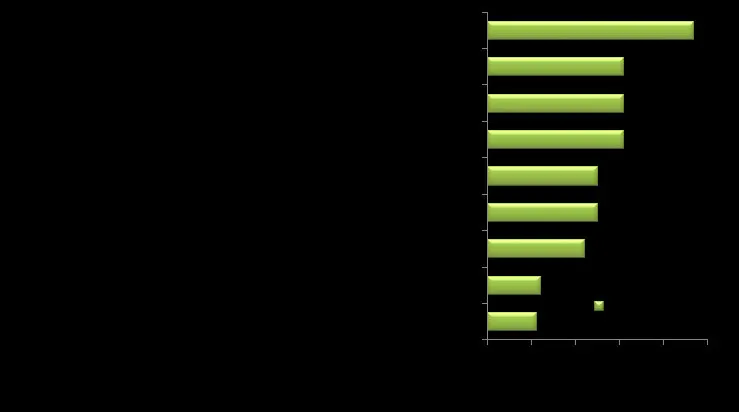
"Scope creep" is the top reason for going over budget - another reason to engage with experts that can help you set the scope, develop a realistic budget and also keep that on track. Note that consulting fees are quite far down the list as reasons for budget overruns.
Source: 2018 Mint Jutras ERP Implementation Study Business change along the way is in a three-way tie for second. This is not surprising as we live in disruptive times. While nothing you can do will slow the pace of change happening around you, the best course of action, in terms of ERP implementation, is to make sure you select an ERP that is agile, one that is easy to configure and extensible, without invasive code changes.
RATING YOUR SUCCESS
As we mentioned in our introduction, very few of our survey participants admitted to not achieving at least partial success in their implementations. We also found aggressive implementations to be twice as likely to have exceeded goals than those that allowed more than a year for their first go live milestone, and 15% less likely to claim only partial success (Figure 7). This lends even more credence to our recommendation to plan and schedule more aggressively in order to see results early and maintain momentum. No surprise: Top We explored what contributed to success and also asked those that failed, management support were not very successful, or only partially successful, "What went wrong?" In and commitment terms of what contributed to success, we found the classic "top management contribute to success. support and commitment" right at the top of the list. This should come as no surprise, as ERP experts have been pushing this requirement for decades – for good reason. The Real Facts About ERP Implementation
Figure 7: How would you rate the success of your ERP implementation?

Source: 2018 Mint Jutras ERP Implementation Study In Figure 8 we display what those who were most successful felt contributed Most of the reasons for to their ability to exceed expectations. It would behoove the reader to success have more to do examine all of these reasons but notice first and foremost that most of these with organization reasons for success have more to do with organization (people and process) (people and process) than the software itself. Good planning and preparation clearly pay off. than the software itself. Good planning and Figure 8: Factors that contributed to success (select all that apply) preparation clearly pay
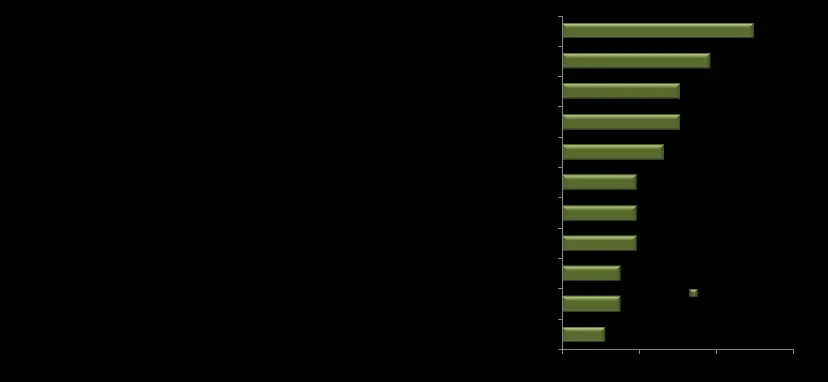
off.
Source: 2018 Mint Jutras ERP Implementation Study In terms of what went wrong, we do not see a In terms of what went wrong, we do not see a single, overriding, dominant single, overriding, factor, but we also see the theme planning and preparation (or the lack dominant factor, but we thereof) here as well (Figure 9). We collected responses to "What went also see the theme wrong?" from any participant that did not rate his or her implementation as planning and preparation Successful or Very Successful (refer back to Figure 7). Therefore, many of the (or the lack thereof) here respondents had partial success, but admitted it could have been better. as well. The Real Facts About ERP Implementation
Figure 9: Reasons for lack of success (select all that apply)

Source: 2018 Mint Jutras ERP Implementation Study Although the top two reasons (inadequate testing and inadequate business Testing of software process re-engineering) are quite different, they go hand-in-hand. It is requires a level of skill important to point out that testing of software requires a level of skill that may that may not naturally occur in an organization. not naturally occur in an organization. If this is the case in yours, seek guidance If this is the case in yours, and help. While you should be able to rely on the software manufacturer to seek guidance and help. test for outright bugs, it is important to test the selected product in the context of your own business and business processes. If you are also reengineering those business processes, either to reflect business change, or to adopt best practices, this adds another dimension to the testing. This testing process can be blended with training. Given the prevalence of consumer technology today, and much more intuitive user interfaces, it might be tempting to downplay the need for training. Many of the younger users today grew up using technology that never came with (or required) a user Training today is less manual. If they couldn't figure out how to use an app on their mobile device, about navigating screens they simply stopped using it. That is not an option with the enterprise and more about the software that runs your business. Training today is less about navigating business process. screens and more about the business process. If the implementation fails to succeed, lack of training is often the culprit. These success related questions provide us some insight, but we also realize just how subjective the answers are. Therefore, we also proceeded to ask specific ROI questions and to delve deeper into the benefits actually realized. Here is where we uncovered a disconnect between perceived success and benefits (and money) left on the table. The Real Facts About ERP Implementation
EXPECT AN ROI
In our survey we defined the timeline for ROI to be the time it took to recoup A full 85% of companies 100% of the initial cost of ERP through cost savings or added revenue. A full surveyed projected a 85% of companies surveyed projected a timeline for ROI and 82% of those timeline for ROI and 82% who had projected it achieved it. Not only were those who were more of those who had aggressive in implementation schedule more likely to achieve ROI, they were projected it achieved it. also more likely to do so in the time expected, even though they set the bar higher (Figure 10). Figure 10: Were ROI expectations met?
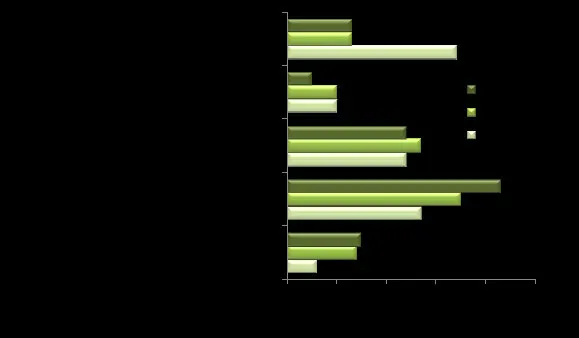
Source: 2018 Mint Jutras ERP Implementation Study So, what should you expect? Of course, much will depend on your actual costs, If at all possible, you and your current state, but we would recommend, if at all possible, you should should try to beat the try to beat the overall average of just over two and a half years. overall average of just over two and a half years Figure 11: Projected and Actual Timelines for ROI
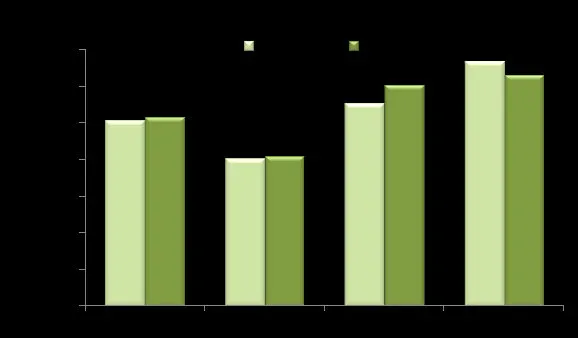
to achieving ROI.
Source: 2018 Mint Jutras ERP Implementation Study The Real Facts About ERP Implementation
In aggregate ROI took a little longer than expected, but only marginally so. Those who projected the longest time to ROI beat their estimates, but still took over three years to recoup costs. Can you afford that kind of delay? Those who were aggressive were able to shave six months off the overall mean and achieved ROI about a year ahead of the moderates. WHERE DOES THIS ROI COME FROM?
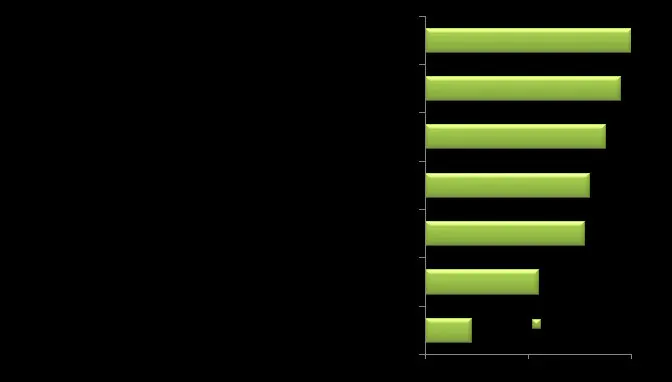
We then investigated where this ROI is most likely to come from and this is Once you achieve a what leads us to believe many are not expecting or benefiting enough from certain level of savings, their current solutions. Once you achieve a certain level of savings, or even or even when you feel when you feel you are fully implemented, it is very tempting for the company you are fully in general, and the implementation team in particular, to breathe a collective implemented, it is very sigh of relief and go back to business as usual. But weren't you trying to effect tempting for the change by implementing a new solution? Shouldn't you reap all the possible company in general, and the implementation team benefits? ERP should be an ongoing source of sustainable returns. in particular, to breathe The results from the first of two benefits-related questions are shown in Figure a collective sigh of relief
- We asked participants to check off all of the different ways their ERP and go back to business implementation produced ROI. Excluding the 9% that claimed to have as usual. Resist that achieved no benefits (perhaps not yet), the average respondent selected 2.1 urge! ERP should be an ongoing source of out of a possible 6. Why not more? These are quite basic. Do companies not sustainable returns. understand the potential here? Are they simply not measuring it? And if they are not measuring it, then chances are they are not reaping all the potential rewards, because they can't manage what they don't measure. Are you? Figure 12: Select all areas where your ERP produced ROI
REDUCED IT COSTS
Replacing applications based on outdated technology always presents the Today's newer opportunity to save on the cost of simply keeping the lights on. Today's newer architectures and architectures and technologies, particularly those built on microservices, make technologies, particularly solutions easier to develop and easier to maintain. For the reader with a those built on microservices, make technical background, microservices, also known as the microservice solutions easier to architecture, is defined (by Wikipedia) as an architectural style that structures develop and easier to an application as a collection of loosely coupled services. For those maintain. nontechnical readers, think of it as constructing a solution from a set of Lego building blocks. Of course, this is an oversimplification, but the benefits include the ability to configure, personalize, tailor and extend solutions without invasive customization. Additional cost savings may also be derived by choosing a SaaS deployment Additional cost savings model: No capital expenditure required; no need to build out a data center or may also be derived by invest in hardware or a huge IT staff to maintain it. IT staff can turn their choosing a SaaS deployment model: No attention to adding more strategic value, rather than simply keeping the lights capital expenditure on. And don't forget the cost of obsolescence of hardware. With less hardware required; no need to and no up-front license fee, you have lower startup costs and subscriptionbuild out a data center or based pricing also gives you the option of accounting for the costs as operating invest in hardware or a expenses (OpEx) rather than capital expense (CapEx). huge IT staff to maintain it. MANUFACTURING AND DISTRIBUTION OPERATIONS
"Specific business cost savings" was at the very top of the list for goals for ERP. For typical manufacturers and distributors, inventory and labor represent a very substantial percentage of their operating expenses, while equipment factors heavily into capital expense. Inventory, cycle time and production capacity all speak to the efficiency and productivity of the manufacturing and distribution operations. Speed, efficiency and productivity are what ERP should be bringing you. If you are not looking to reduce inventory, while also Even if you have a speeding your processes (by reducing cycle time), you may very well be undermature implementation, utilizing your production capacity. Increasing speed and capacity fuels growth. don't leave money on the Doing so without adding headcount or capital expenditure fuels profits. table. If you do not see how your ERP can Even if you have a mature implementation, don't leave money on the table. If (continue to) provide you do not see how your ERP can (continue to) provide these benefits, then these benefits, then you you either need expert guidance or you need a new solution, or both. If you either need expert are unsure, start with the former and see where it leads you. That is, of guidance or you need a course, only if you want to grow profitably. new solution, or both.
BENEFITS BEYOND ROI
"Improve selected performance metrics" was also (tied) at the very top of the list of goals for ERP. Other performance metrics may not produce cost savings directly, but that doesn't mean they can't indirectly impact your ROI. In one way we see a little better response here (Figure 13). Only 5% claimed to have The Real Facts About ERP Implementation
achieved no benefits, and the average respondent selected 2.84, but is that really any better? That was 2.84 out of a possible 10. The improvement most likely to have been realized was better accessibility At a time when data is and availability of data. But still only about half (51%) experienced this. At a becoming one of our time when data is becoming one of our most precious commodities, if you are most precious not improving your access to more and better data, you are actually taking a commodities, if you are not improving your step backwards. access to more and Examine the possible improvements in Figure 13 carefully. Some of them better data, you are might seem like "nice-to-have" benefits, but not critical to your continued actually taking a step success. Or perhaps you feel you already excel in these areas. But Mint Jutras backwards. has yet to speak with any company that can boast 100% complete and on-time delivery and 100% inventory accuracy. We know of no company that could not improve either internal or external collaboration. If your millennial workers or your customers are not asking for this, you probably won't have to wait long before they do. Figure 13: Additional improvements realized from ERP

if you do not see how your ERP can provide these benefits, then you either need expert guidance or you need a new solution, or both. Don't be satisfied with two or three (or 2.84) of these improvements. Go for the gold. Why not all 10?
Source: 2018 Mint Jutras ERP Implementation Study As noted above, if you do not see how your ERP can provide these benefits, then you either need expert guidance or you need a new solution, or both. Don't be satisfied with two or three (or 2.84) of these improvements. Go for the gold. Why not all 10?
SUMMARY AND RECOMMENDATIONS
Many approach ERP implementation with fear and trepidation, thinking the vast majority end in budget overruns and failure. Disasters may have been The Real Facts About ERP Implementation
quite common in the early days of ERP. Nobody recalls those early days as "the Solutions today are far good old days." Early ERP solutions were rigid and inflexible, hard to install and more technologyimplement and even harder to use. Functionality was limited (and limiting) enabled, provide many and implementations were not for the faint of heart. Horror stories of failed more features and implementations costing millions of dollars were fairly common. For many, functions, and are easier those perceptions live on, in spite of the fact that solutions today are far more to install, easier to implement and easier to technology-enabled, provide many more features and functions, and are use. easier to install, easier to implement and easier to use. High rates of failure in High rates of failure in terms of schedules, costs and payback are a myth. Our terms of schedules, costs study dispels that myth. Two thirds (67%) of our participants rate their and payback are a myth. implementations as successful or very successful and only one out of 315 Our study dispels that described theirs as a failure. Only 26% went over budget by more than 10% myth. and 82% of those that projected an ROI achieved it, often more quickly than anticipated. While we are glad that the majority of our study participants feel they have succeeded, we worry that they may be over-rating their success and leaving additional potential ROI and other benefits unrealized. Yes, ERP implementation is difficult and potentially disruptive to your business during the project. You really must expect this. After all, it is the software you Don't be afraid to seek use to run your business. And implementing ERP requires a different skill set guidance and assistance than running your business. So secure top management commitment and from those that do this create a plan. Don't be afraid to seek guidance and assistance from those that for a living. ERP experts can help you identify do this for a living. ERP experts can help you identify goals, set a realistic goals, set a realistic schedule and budget and keep you on track. These experts will not be schedule and budget and distracted by the day-to-day firefighting intrinsic to any business. keep you on track. These And don't underestimate the potential of your solution. We suspect that experts will not be many, upon going live, breathe a collective sigh of relief and go back to distracted by the day-tobusiness as usual. They don't set the bar high enough in terms of the return on day firefighting intrinsic their investment, and they don't even try to make those returns sustainable. to any business. For manufacturers and distributors, reducing inventory, shrinking cycle times and increasing throughput and utilization of your current capacity should just be the beginning of on-going ROI. Think about reducing manual data input, gaining more access to more and better data, improving visibility to your business. These should be no-brainers if you are implementing a new solution. But what if your existing solution hasn't provided these kinds of benefits? For years people have equated replacing ERP to brain surgery. You just don't do it unless the patient is dying. "Rip and replace" was avoided at all cost, even when there was no possible way the existing solution or its underlying architecture could keep pace with new market drivers and changing business needs. Upgrades were viewed as difficult and painful, but a replacement or reimplementation was often seen as pure evil. That too is a myth that needs busting. If your current solution is not meeting your goals, or if you never set goals, it may very well be time to step back and perform an audit of your current The Real Facts About ERP Implementation
solution to determine if it is living up to its full potential. And then determine if that full potential is sufficient to give you a competitive edge. If not, it may be time to replace it. Be critical. If you can't be objective about this, find an independent third party that can. The right technology-enabled applications can help propel growth and superior performance, while those built on outdated technology can stifle it. Which will you choose?
About the author: Cindy Jutras is a widely recognized expert in analyzing the impact of enterprise applications on business performance. Utilizing over 40 years of corporate experience and specific expertise in manufacturing, supply chain, customer service and business performance management, Cindy has spent the past 13 years benchmarking the performance of software solutions in the context of the business benefits of technology. In 2011 Cindy founded Mint Jutras (www.mintjutras.com), specializing in analyzing and communicating the business value enterprise applications bring to the enterprise. About Ultra Consultants: Ultra Consultants is an independent research and enterprise solutions consulting firm serving the manufacturing and distribution industries throughout North America, as well as companies with global operations. For 25 years, Ultra has delivered enterprise technology expertise and process management to drive business performance improvement for targeted to leading manufacturers, food processors, distributors and other industrial organizations. More information on the company's services, leadership, industry verticals served, and enterprise technology education can be found at www.ultraconsultants.com.