Digital Transformation for Food Manufacturing: A Practical Guide
Food manufacturers are under pressure to meet consumer demands, ensure food safety and comply with changing regulations—all while staying competitive. These challenges require a shift away from manual processes to smarter, digital-based operations.
Digital transformation offers a solution. It integrates technology such as the Internet of Things (IoT, automation systems, artificial intelligence (AI) and data analytics. The result is greater efficiency, real-time production visibility, and faster, more informed decision-making.
This eBook will provide a look at what's involved in laying the groundwork for a successful digital transformation, from evaluating your current readiness to implementing smart technologies.
What you'll learn:
- Why digital transformation is critical for food manufacturers
- How to start small with digital upgrades
- How to build a connected, end-to-end value chain
- How to assess your readiness
- How to overcome common challenges
What's inside.
Why Digital Transformation Matters in 3 Food Manufacturing
Leveraging Advanced Manufacturing 4 Technologies
5 Building a Connected Ecosystem
Assessing Readiness for Digital Transformation 6
Overcoming Common Challenges 7
Measuring Success and ROI 8
A Step-by-Step Roadmap 9
Conclusion 10
Why Digital Transformation Matters in Food Manufacturing
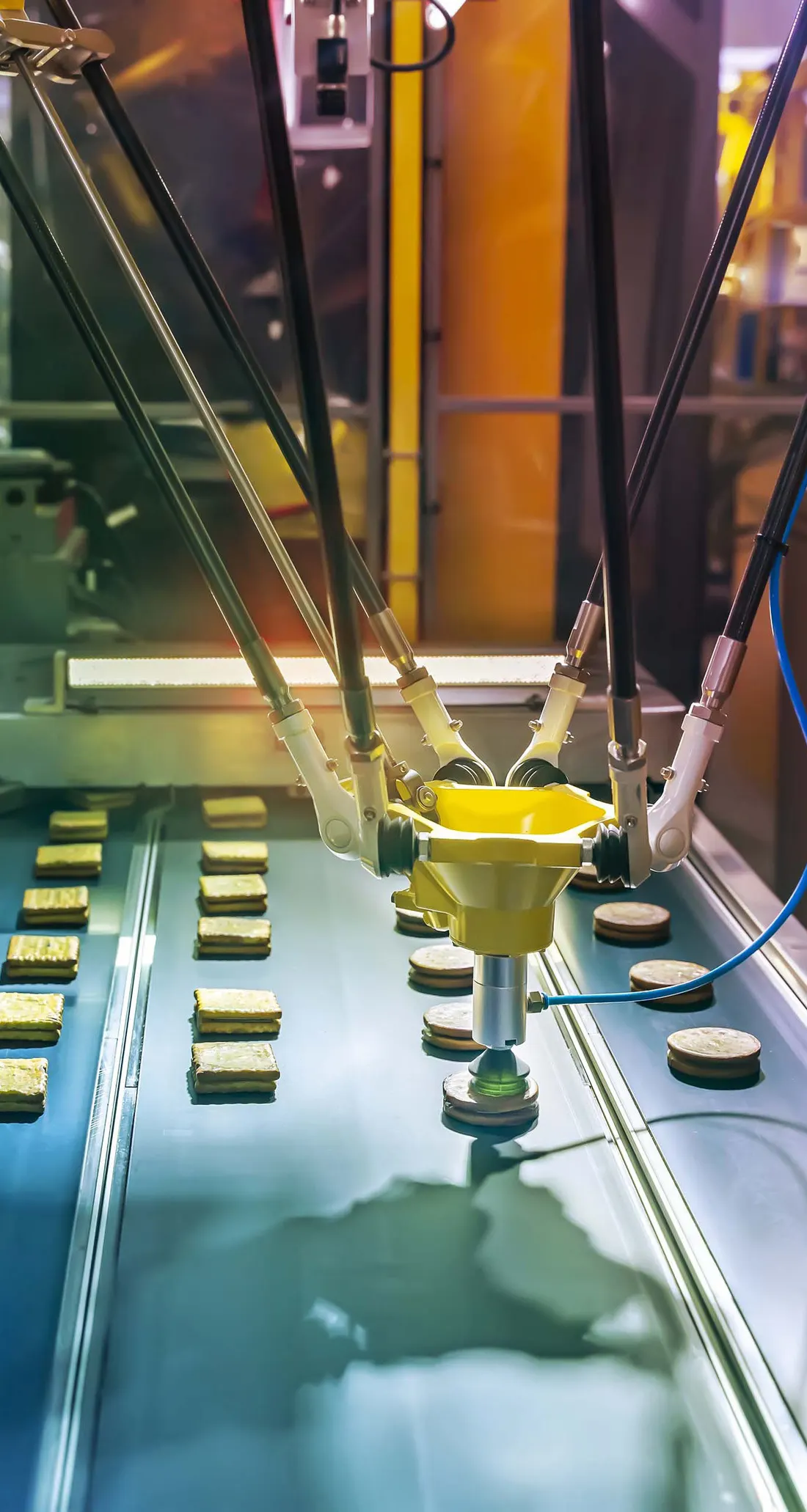
Food manufacturers struggling with consumers' demands for new products and smoother customer experiences, combined with regulatory pressures and labor shortages, legacy systems are a major hurdle in overcoming these challenges. As outlined in a recent article from The Manufacturer, "legacy systems are often the biggest impediment to business agility."1
Manual processes and legacy systems often lack the speed, accuracy and scalability required to manage today's manufacturing challenges. Error-prone manual data like spreadsheets and even paper notes can result in data flaws leaving the company open to regulatory violations, costly recalls, and even compromised food safety.2
Plus, legacy systems are often difficult to integrate, leading to siloed operations, making it difficult to view data across departments or quickly respond to production issues.3 Continuing to rely on outdated tools can limit a manufacturer's ability to optimize operations, reduce waste or maintain consistent product quality.
"69% of F&B brands still rely on manual processes such as paper documents, spreadsheets, fax, and email to manage day-to-day external work and document exchanges."4
—TraceGains

Leveraging Advanced Manufacturing Technologies
Digital transformation, and the rise of modern systems such as automation and artificial intelligence, offers a solution. By integrating these technologies into their operations, companies can improve efficiency and provide real-time visibility into production. For example, IoT sensors can monitor conditions like temperature and humidity to help control product quality.
These sensors can also play a role in predicting machine maintenance, preventing costly downtime. Systems like AI-enabled ERP or MES can offer advanced data analytics for faster, more informed decision-making.
Even for manufacturers who are still using legacy systems, adding incremental improvements by marrying older equipment with digital capabilities can bring dramatic results.5 Sensors, edge computing or middleware additions can provide data visibility without large capital expenditures.
Digital tools enhance a manufacturer's ability to adjust to shifts in market demands. To keep up with changes in this increasingly competitive and regulated industry, adopting digital solutions is becoming an essential step to ensuring long-term success and resilience.

Building a Connected Ecosystem
While digital solutions can transform the production environment, digital transformation extends beyond the factory. Manufacturers can also benefit from a truly connected network—or value chain— including suppliers, distributors, and even consumers.
As described in an article from Food Dive, "at its heart, value chain optimization is a digital thread that connects the consumer to the plant floor and back again, allowing manufacturers to grow revenue, and improve profitability with sustainable practices that meet their commitments to customers, employees and communities."6
For example, supplier portals provide visibility into raw ingredient sourcing and quality, while logistics systems can allow for real-time shipment tracking, ensuring on-time delivery and cold chain integrity. In addition, cloud-based ERP systems can play a role in connecting stakeholders, ensuring data flows securely across the value chain.

Assessing Readiness for Digital Transformation
Digital Transformation involves more than just plugging in new technologies. Before starting on a transformation project, manufacturers must take the time to carefully evaluate their readiness by conducting a digital maturity assessment.
By analyzing your current systems, processes, data infrastructure and workforce skill sets, you can identify areas for improvement that can be addressed with digital solutions. Be sure to clearly define your business goals for the initiative. These may include reducing downtime, improving yield, enhancing traceability, or increasing efficiency.
Executive sponsorship is also critical, with buy-in for funding and guiding the transformation effort across all levels of the organization. Without top-down support, even the most advanced technologies will struggle to deliver lasting change.
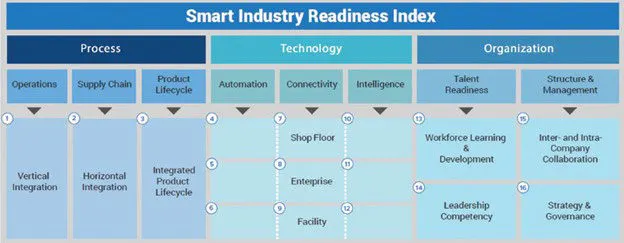
Source: ISA.org7
Overcoming Common Challenges
Digital transformation offers key benefits for manufacturers, but it also brings challenges that need to be addressed for long-term success.8 One of the biggest hurdles is legacy equipment, which can make it difficult to integrate modern technologies and streamline operations.
Cybersecurity is another concern. With increased connectivity comes a higher risk of cyberattacks, making it essential to embed cybersecurity measures into every layer of the digital strategy— from the factory floor to the cloud.
Manufacturers also need to prepare for capital expenses. Upfront costs for new systems, equipment, and software can be substantial, and many decision-makers are cautious about the ROI. Taking a phased approach that starts with high-impact, low-risk initiatives can help prove value early and justify additional spending.
The skills gap is also a pressing issue. Many workers may not have the digital literacy or technical skills needed to operate advanced tools like AI, automation, or data analytics platforms. Investing in workforce development through training programs and change management initiatives can help employees adapt and thrive.
IT challenges such as data management and system integration can slow progress too. Poor data quality and siloed software systems can make implementing new technologies less effective. Building strong IT data governance frameworks is an important step toward a successful transformation.
Manufacturers can overcome these challenges with a strategic approach. By addressing the issues early in the process, they can build a strong foundation for digital transformation initiatives.
Measuring Success and ROI
To justify ongoing investment in digital transformation, it is essential to measure results. This involves gauging not just cost savings, but indirect benefits like improved agility, compliance and competitiveness.9
Aligning digital transformation initiatives with strategic goals ensures that investment is tied to measurable results. Key performance indicators (KPIs) might include metrics such as production uptime, yield rates, energy consumption, waste reduction, and customer satisfaction. Tools like digital dashboards allow for real-time monitoring, while regular KPI reviews help keep the transformation on track.
Technologies like automation, machine monitoring, and MES systems can help streamline production, reduce errors, and reduce manual tasks. These improvements lead to higher throughput and lower operational costs. Real-time data analytics help identify inefficiencies, while tools like AI and cloud-based inventory management improve forecasting and reduce over- or under-stocking.
Even beyond operations, digital transformation can enhance business transparency and resilience. Blockchain, barcoding, and digital recordkeeping improve traceability and compliance, strengthening compliance.
Improved supply chain visibility helps manufacturers respond faster to disruptions, while CRM, ERP, and PLM systems allow for better, faster decision-making. Together, these benefits drive long-term ROI by supporting growth, adaptability, and competitive advantage.
8 8
A Step-by-Step Roadmap
Digital transformation offers opportunities to boost efficiency, ensure quality, and respond faster to changing consumer preferences. But successfully adopting digital technologies requires a clear strategy, clear collaboration, and a culture of innovation. For food manufacturers, digital readiness can maintain competitiveness in a fast-moving marketplace.
To navigate this shift effectively, organizations need a structured approach. This step-by-step roadmap outlines the key phases of digital transformation, from defining clear goals and assessing current digital maturity to launching pilot projects and scaling successful initiatives. Each step is designed to help manufacturers minimize risk, maximize value, and ensure long-term sustainability.
Whether you're just beginning your digital journey or looking to refine your current plans, this roadmap provides a practical framework to guide decision-making and foster continuous improvement. By following these steps, food manufacturers can position themselves not only to survive but to thrive in a digital-first future. Roadmap for Digital Transformation
Here's a simplified roadmap to guide your digital transformation journey:
Define goals and build a business case: Understand what you want to achieve and why. Conduct a digital maturity assessment: Identify where you are and where you want to be. Build a transformation team: Include representatives from operations, IT, and leadership. Choose scalable platforms and vendors: Ensure technology can grow with your business. Start with pilot projects: Test solutions on a small scale to prove value. Measure and refine: Use data to continuously improve. Scale & integrate across departments: Expand successful pilots throughout the organization. Continuously innovate: Stay updated on emerging technologies and market trends.

Conclusion
Digital transformation brings opportunities for food manufacturers to enhance their productivity, ensure food safety, and quickly respond to market trends and disruptions. But their success is dependent on a carefully implemented plan. Manufacturers can overcome the complexity of digital transformation initiatives to gain a competitive advantage and future-proof their operations.
About Ultra Consultants
Ultra Consultants has decades of experience helping manufacturers capitalize on the benefits of digital transformation through business process improvement, technology selection and implementation, and value realization. Ultra provides end-to-end digital transformation consulting that ensures your digital strategy achieves your business goals.
To leverage our deep industry experience and bring our expertise right to your doorstep, visit ultraconsultants.com and request your free discovery call today.
10 References
- The future of food manufacturing: Embracing digital transformation. Retrieved 05/20/25 from The Manufacturer:
https://www.themanufacturer.com/press-releases/the-future-of-food-manufacturing-embracing-digital-transformation/
- Kesler, A.; Wright, M. (2023). How Digitized Specifications Help Food Producers Drive Safety, Efficiency and Sustainability.
Retrieved 05/20/25 from Food Logistics: https://www.foodlogistics.com/software-technology/software-solutions/article/22870288/specright-howdigitized-specifications-help-food-producers-drive-safety-efficiency-and-sustainability
- Kumari, S. (2025). The Evolution of Food Logistics Software: From Legacy Systems to AI-Powered Solutions. Retrieved 05/20/25 from Food Infotech:
https://www.foodinfotech.com/the-evolution-of-food-logistics-software-from-legacy-systems-to-ai-powered-solutions/
- Mayer, M. (2025). TraceGains Survey Reveals Dissatisfaction with Legacy Systems. Retrieved 05/20/25 from Food Logistics:
https://www.foodlogistics.com/software-technology/software-solutions/news/22939802/tracegains-tracegains-survey-reveals-dissatisfaction-withlegacy-systems
- Pal, N. (2025). Tackling Industry 4.0 With Legacy Equipment: A Practical Approach. Retrieved 05/21/25 from Industry Week:
https://www.industryweek.com/technology-and-iiot/systems-integration/article/55284102/tackling-industry-40-with-legacy-equipment-a-practical-approach
- Chambers, K. (2021). Ready for the 'Great Reset'? How digital transformation can future-proof food manufacturing. Retrieved 05/21/25 from Food Dive:
https://www.fooddive.com/news/ready-for-the-great-reset-how-digital-transformation-can-future-proof-fo/606665/
- Romano, B. Ready for Industry 4.0? Evaluate people, processes, and then technology. Retrieved 05/21/25 from ISA.org:
https://www.isa.org/intech-home/2022/august-2022/features/industrial-readiness-and-maturity-walking-the-path
- Bush, J. (2024). Digital transformation in manufacturing: the challenges. Retrieved 05/21/25 from The Manufacturer:
https://www.themanufacturer.com/articles/digital-transformation-in-manufacturing-the-challenges/
- Bush, J. (2024). Digital transformation in manufacturing: the benefits. Retrieved 05/21/25 from The Manufacturer:
https://www.themanufacturer.com/articles/digital-transformation-in-manufacturing-the-benefits/
11