As technology continues to advance at a rapid pace, many industries and economies are facing a labor shortage crisis. This is a widespread issue that results in a decreased productivity rate, increased labor costs and ultimately, an adverse effect on the overall economy.
In this ebook, we will be discussing:
- What is labor shortage
- Factors that contribute to labor shortages in manufacturing
- The impact of labor shortages on manufacturing
- Ways in which technology helps manufacturers with labor shortages
- How WMS streamlines warehouse processes to make the most of limited staff
- How labor tracking software helps in addressing labor shortages
By implementing innovative solutions and strategies, technology revolutionizes the way we approach labor shortage and paves the way for a more efficient and sustainable workforce.
Technology and Labor Shortage 2
What's inside.
3 What is Labor Shortage?
Factors that Contribute to Labor Shortages in Manufacturing 4
Impact of Labor Shortages on Manufacturing Industries 7
Ways Technology Helps Manufacturers 9 with Labor Shortage
How WMS Streamlines Warehouse Processes to Make 12 the Most of Limited Staff
How Labor Tracking Software Helps in Addressing 14 Labor Shortages
17 Conclusion Technology and Labor Shortage 3
What is Labor Shortage?
Labor shortage refers to a situation where demand for labor surpasses the available supply of workers who are skilled or willing to perform certain jobs. According to a recent study by Deloitte, "US manufacturing is expected to have 2.1 million unfilled jobs by 2030." In this scenario, many businesses are unable to find suitable employees to fill vacancies. This leads to work overload for existing staff and may result in poor productivity.
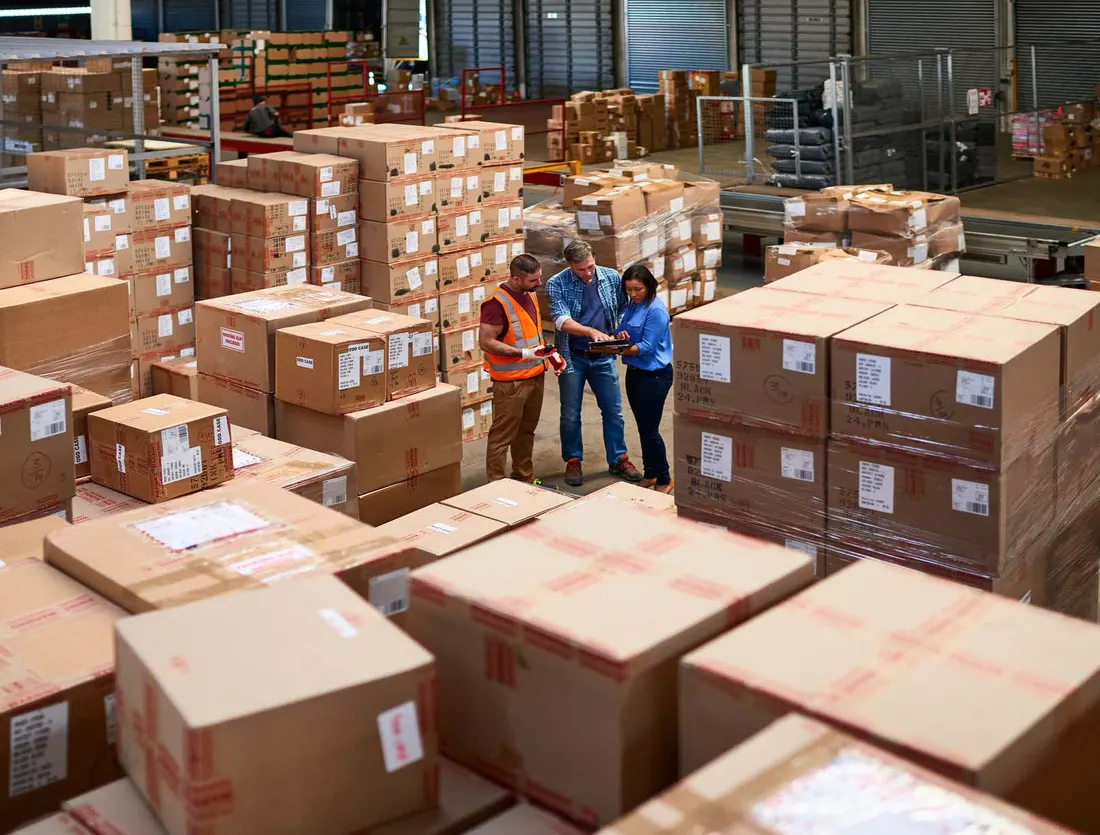
A hypothetical example of labor shortage is if Acme Manufacturing has a significant number of orders lined up. The company requires a large workforce to manage all of its equipment in order to run the manufacturing floor at full capacity and complete the work on time. However, due to factors such as the lack of interested workers, the unavailability of skilled professionals, or long lead times for hiring temporary employees, the available workforce cannot meet the required demand.
Consequently, the manufacturer may end up struggling to finish the orders on time and fail to take
on new customers. Technology and Labor Shortage 4

Factors that Contribute to Labor Shortages in Manufacturing
An Aging Workforce
An aging workforce is one of the major factors that contribute to labor shortage. With baby boomers retiring and fewer young people entering the workforce, companies are struggling to find enough skilled workers to fill the gaps.
Moreover, older workers often have unique needs that may be difficult to accommodate, such as health issues or reduced mobility. This further limits the availability of qualified workers and exacerbates labor shortages.
As older employees leave the company or retire, they take their knowledge and experience with them, leaving a void that is difficult to fill. This is particularly challenging in industries where specialized skills are required and where training takes years to complete.
Early Retirement
As more and more workers opt to retire early, it creates a gap in the workforce that is difficult to fill. Workers may opt for early retirement for a variety of reasons, such as a desire to pursue other interests, dissatisfaction with the job, or health issues. It's a trend that has raised concerns over its impact on several industries.
The manufacturing, healthcare and construction sectors are some of the most affected by early retirements, as jobs in these industries require highly skilled and experienced workers. Early retirements reduce the number of employees available for this kind of work, leading to a shortage of labor, higher wages and ultimately slower economic growth. Technology and Labor Shortage 5
Health Concerns
Many individuals are forced to opt out of work due to health-related issues, significantly decreasing the labor supply. This may either be due to prior health conditions or current health situations that might limit an individual's mobility or affect their productivity at work. Such situations often result in absenteeism, which in turn leads to a reduction in productivity and efficiency. Additionally, some industries and job roles require good physical fitness, making it impossible for those with health conditions to perform such duties.
The widespread nature of health concerns also means that they have a significant impact across all sectors of the labor force, from manufacturing to service industries. In such instances, employee health and safety can also become a concern for employers, leading to further labor shortages due to precautionary measures taken to ensure workers' safety.
Workers Leaving the Labor Market
Many reasons compel workers to leave the labor market entirely. As workers reach retirement age, they may choose to leave the workforce, reducing the number of available workers. Additionally, factors such as disabilities or health issues may force workers to withdraw from the labor market earlier than anticipated. These departures create a shortage of skilled workers, causing employers to struggle to find qualified replacements.
Furthermore, workers who leave the labor market due to family responsibilities or educational pursuits may create a shortage of workers in specific industries or regions. In some cases, workers may choose to leave the labor market due to dissatisfaction with their job or unsatisfactory work conditions.
A Decline of Blue-Collar Workers
With fewer skilled and experienced manual workers available, many industries are struggling to fill open positions. Historically, blue-collar workers have been essential to industries such as manufacturing, construction and transportation. However, with the rise of automation and outsourcing, many blue-collar jobs have disappeared, leading to a shortage of workers in these fields.
Additionally, younger generations have shown less interest in pursuing careers in manual labor, preferring instead jobs in technology and service industries. This lack of interest in blue-collar work has created a gap between available jobs and workers who are willing and able to perform them. As a result, employers are struggling to find qualified candidates and are often forced to rely on temporary workers or pay higher wages to attract the requisite number of employees to fill their open positions. Technology and Labor Shortage 6
Limits on Immigration
The US government has implemented various policies and laws that restrict the flow of immigrants into the country, thereby limiting the available pool of workers, especially blue collar and unskilled laborers. This has particularly affected industries such as agriculture, manufacturing, construction and healthcare, which heavily rely on immigrant labor.
Due to the limits on immigration, businesses face difficulties in finding enough workers for their operations. By reducing the number of legal immigrants in the country, limits on immigration make it challenging for businesses to fill positions and accommodate the demands of a growing economy.
People Opting for Self-Employment
As individuals become more interested in the idea of entrepreneurship, many are choosing to leave traditional employment settings in search of creating their own businesses. This trend is especially prevalent among younger workers who value autonomy and flexibility in their work lives.
As a result, options for traditional employment are becoming fewer, and the number of people available for open job positions is decreasing. The growth of self-employment has also led to a shift in the labor market, where businesses are experiencing difficulty in retaining and filling positions with high-skilled labor.
While self-employment offers numerous benefits, including financial independence and creative control over workloads, this trend is causing concern for companies that are struggling to attract and retain qualified candidates. As a consequence, labor shortages are becoming increasingly problematic, and businesses will need to adapt to these changing circumstances if they wish to remain competitive.

Technology and Labor Shortage 7

Impact of Labor Shortages on Manufacturing Industries
Rising Wages
Labor shortages have a significant impact on manufacturing industries, particularly in terms of rising wages. With fewer skilled workers available, manufacturers compete for a limited pool of employees, often driving up the cost of labor.
As the demand for workers increases, so does the cost of retaining and attracting new employees, leading to higher wages and potentially reduced profitability for manufacturing companies. This creates a ripple effect within the industry, as rising wages drives up the cost of goods and services that rely on manufacturing inputs.
Shortage of Goods/Services
With fewer workers available, manufacturing companies often struggle to produce enough goods to meet demand, leading to a shortage of goods and services. This is especially problematic for companies that produce essential products, such as pharmaceuticals or medical equipment.
When there is a shortage of goods and services, customers may turn to other companies or products, causing a loss of revenue for the affected manufacturing company. Additionally, the shortage leads to longer lead times and higher costs for customers who are willing to wait for the products they need. Technology and Labor Shortage 8
Decreased Production
When the workforce is inadequate, there is a limit to the amount of work that can be done efficiently, leading to fewer goods being produced.
With fewer people working in the manufacturing sector, tasks that require large amounts of physical and mental labor will take longer to complete. That means a reduction in the number of products manufactured in a given period, which causes delays in delivering goods to customers and decreases overall productivity.
Additionally, reducing the number of employees results in overtime work for those who are present, which leads to burnout and decreased morale.
Delayed Projects and Increased Business Costs
The shortage of skilled workers means that companies may take longer to complete projects, leading to delayed timelines. This delay has a knock-on effect on other aspects of the business, such as supply chain management, which ultimately leads to increased costs.
When manufacturers are unable to find enough workers to fill positions, they may need to pay higher wages to attract and retain staff. This, in turn, increases business costs. Furthermore, when there is a shortage of labor, businesses may need to hire less-experienced workers who require training. The cost of this training adds up quickly, further contributing to increased costs.
Additionally, a labor shortage leads to increased use of automation and technology, adding additional acquisition and setup costs to the business.
Skill Gaps and Reduced Innovation
When companies cannot find the necessary labor to complete tasks, they often must outsource jobs or invest in automated technology, which leads to workers being displaced. As a result, the remaining employees may not possess the requisite skills required to operate such technology, creating skill gaps.
This issue also leads to reduced innovation, as companies focus on maintaining operations rather than developing new ideas. With a lack of workers and a focus on current operations, companies may not have the capacity to invest in research and development. Technology and Labor Shortage 9

Ways in Which Technology Helps Manufacturers with Labor Shortage
Automating the Hiring Process
Human Resource Management (HRM) software can help companies automate the hiring of new employees in a variety of ways. An Applicant Tracking System (ATS) can help companies manage the entire hiring process, from posting job openings to screening resumes to scheduling interviews.
Recruiting software can help companies find qualified candidates by posting job openings to a variety of job boards, as well as search for candidates who have the skills and experience they are looking for.
HRM software can help companies improve the accuracy of their hiring decisions by providing them with data-driven insights into the candidates they are considering. Additionally, HRM software can help companies engage with candidates throughout the hiring process by providing them with timely updates and information. This can help attract and retain top talent.
By automating many of the manual tasks involved in hiring, HRM software can help companies save time and money, as well as improve the efficiency and effectiveness of their hiring process.
Speeding up Employee Onboarding
Manufacturers facing labor shortages have turned to technology to speed up the employee onboarding process. Manufacturing Execution Systems (MES) are software solutions that streamline manufacturing operations, and they have proven useful in speeding up onboarding within the manufacturing environment. Technology and Labor Shortage 10
In addition to streamlining data collection, increasing visibility and automating processes within production, most MES software automates training tasks, making it easier and faster for new employees to get up to speed. It also helps monitor progress and ensures that training is consistent across all new hires. Additionally, MES software helps manufacturers keep track of employee performance, ensuring that they are able to take on more complex tasks as soon as they are ready.
By using technology to reduce the steps in employee onboarding, manufacturers shorten the time it takes to get their workforce up to full speed, which ultimately leads to improved productivity and profits.
Efficiently Collecting and Sharing Data
With companies adopting MES, data regarding shop floor performance is captured in realtime, allowing production managers to identify and address inefficiencies in a proactive manner. This enables manufacturers to get a better understanding of where they need to optimize their operations and redeploy their workforce to better effect.
By leveraging automation technology, manufacturers streamline the collection of vast volumes of data from disparate sources and gain insights into plant operations. This reduces manual errors, increases accuracy and enhances transparency of information.
Additionally, with cloud-based storage and access, the data is securely shared across organizational boundaries, enabling the collaboration of teams across different locations to realize a better utilization of resources, even in the face of labor shortage or travel restrictions.
All these resultant benefits of leveraging MES technology to efficiently collect and share data position manufacturers to meet production targets more confidently and sustainably.
Improving Processes and Performance
Through the implementation of enterprise software systems, manufacturers are able to optimize processes and automate certain tasks, allowing for a more efficient use of labor. ERP or MES systems help in tracking the production process, analyzing data and providing insights on areas for improvement to enhance decision-making.
With access to real-time information, manufacturers quickly identify bottlenecks or areas where operational inefficiencies exist, enabling them to take corrective actions. This reduces time wastage in manual data collection and analysis, increases productivity and ensures accuracy in data capture. As a result, manufacturers effectively address labor shortages and optimize their operations so they are able to accomplish more with fewer employees, ultimately improving their bottom line. Technology and Labor Shortage 11
- Integrating Advanced Analytics to Improve Decision-Making Capabilities
Manufacturers use advanced analytics software to mine data generated by smart machines, robotics and Industrial Internet of Things (IIoT) sensors strategically located throughout automated production lines. This machine-to-machine data integration results in expansive, real-time information streams that are used to identify inefficiencies, address quality issues and help lower production costs.
By leveraging the insights provided by advanced analytics, manufacturers are able to diagnose gaps in labor productivity and identify opportunities to optimize workflow by reducing downtime. Advanced analytics also enables manufacturers to align maintenance schedules with actual machine usage data, leading to maintenance cost reductions and increased machine uptime.
Remote Monitoring and Support
Remote monitoring and support allows manufacturers to supervise their plant via the internet. This system then funnels the data about product quality and yields directly into a production MES system. This enables manufacturers to track their production process easily and efficiently. By constantly monitoring performance, remote monitoring and support enables manufacturers to identify performance issues quickly and address them proactively. This saves both time and money, as manufacturers no longer need to hire extra workers or bring in external support.
In addition, remote monitoring and support go beyond simply observing production lines, as they also enable remote support and maintenance. Through MES, remote monitoring and support facilitates remote diagnoses of production faults, system availability and equipment performance issues. This has resulted in improved uptime and performance for manufacturing plants.
Improving Workforce Management
Manufacturers facing labor shortage are increasingly turning to technology to improve their workforce management. Through the implementation of software systems, such as MES, WMS or Labor Tracking systems, manufacturers are able to better utilize their existing workforce to increase productivity and reduce reliance on hiring additional workers.
Improved workforce management through software includes automating scheduling, tracking employee performance, assessing job progress and managing inventory levels. The automation of these processes ensures that manufacturers have a more efficient and productive workforce.
MES provides real-time production status updates to managers, allowing them to address issues quickly and make decisions to optimize production, increasing efficiency and reducing costly mistakes. Improved workforce management also enables manufacturers to streamline their processes, reducing downtime and improving productivity, further reducing the need for additional workers. Technology and Labor Shortage 12
How WMS Streamlines Warehouse Processes to Make the Most of Limited Staff
Warehouse Management Systems (WMS) play a pivotal role in streamlining and optimizing warehouse operations, especially when faced with limited staff.
A WMS is a software platform designed to manage and optimize the operations of a warehouse or distribution center. It provides tools and functionalities to efficiently control and track the movement, storage and overall handling of inventory within a warehouse.
These are the various ways a WMS enhances warehouse processes and makes the most of limited staff.
Automation and Task Prioritization
One of the key advantages of implementing a WMS is the automation of routine warehouse tasks. When you utilize technologies such as barcode scanning, RFID and voice picking, your WMS reduces the reliance on manual labor and increases operational speed.
Tasks such as receiving, put-away, picking and packing are streamlined, increasing worker efficiency.. Additionally, a WMS prioritizes tasks based on urgency, ensuring that the most important activities are completed first, further optimizing staff allocation. Technology and Labor Shortage 13
Inventory Management and Optimization
Accurate inventory management is crucial for efficient warehouse operations. A WMS system can provide real-time visibility into inventory levels, locations and movement.
This enables warehouse staff to track and manage stock effectively, preventing overstocking or stockouts. With optimized inventory levels, staff efficiently utilize available space and prioritize fulfilling orders rather than searching for items. This maximizes productivity and ensures timely order fulfillment.
Labor Planning and Resource Allocation
A WMS goes beyond automation and inventory management by analyzing historical data, order volumes and processing times. By considering these factors, the WMS can accurately forecast labor requirements.
Warehouse managers can then allocate staff resources optimally, ensuring the right number of workers are present during peak periods and avoiding unnecessary labor costs during slower times. This data-driven approach to labor planning enables warehouses to efficiently utilize their limited staff.
Streamlined Order Fulfillment
Order fulfillment is a critical aspect of warehouse operations, and a WMS excels in streamlining this process. By providing picking instructions, optimizing pick paths and reducing travel time between locations, a WMS enhances order picking and fulfillment. It can even group orders by proximity, allowing pickers to handle multiple orders simultaneously.
By guiding warehouse staff through optimized workflows, a WMS minimizes inefficiencies and reduces the time required to process orders.
Improved Accuracy and Reduced Errors
Errors in warehouse operations lead to costly rework, returns and exchanges. A WMS significantly reduces the chances of errors by validating inventory counts, ensuring correct item and location selection and performing real-time data checks.
By minimizing mistakes, a WMS saves time and resources for warehouse staff. Accurate order fulfillment and inventory management are essential for maintaining customer satisfaction and minimizing disruptions in the supply chain.
Performance Tracking and Reporting
To continuously improve warehouse operations, it is crucial to have access to accurate performance data. A WMS generates detailed reports and analytics on various warehouse metrics, such as order cycle times, productivity rates and error rates. These insights enable warehouse managers to identify bottlenecks, inefficiencies and areas for improvement. By monitoring performance metrics, warehouses can make informed decisions to optimize processes and ensure the efficient utilization of limited staff. Technology and Labor Shortage 14

How Labor Tracking Software Helps in Addressing Labor Shortages
Labor tracking software, also known as workforce management software or time and attendance software, is a type of software that is designed to track and manage employee time, attendance, tasks and productivity. It provides your business with tools to monitor and optimize labor utilization, streamline scheduling, and improve overall workforce management.
Here are some ways labor tracking software helps your business in addressing labor shortages:
Maximizing Efficiency Through Optimal Resource Allocation
Labor tracking software enables your business to gain real-time visibility into its workforce's availability and utilization, allowing for optimal resource allocation. By accurately tracking employee hours, tasks and productivity, your business is able to identify key areas of wasted labor and inefficiency.
With this insight, you can make informed decisions regarding resource allocation, ensuring that the available workforce is utilized efficiently. By maximizing efficiency, labor tracking software compensates for labor shortages and increases productivity.
To effectively allocate resources, labor tracking software provides businesses with comprehensive data on employee availability, skills and workload. By analyzing this data, your business can make informed decisions about task assignments and optimize schedules based on the available workforce. This enables you to tackle labor shortages by ensuring that shifts are appropriately staffed, reducing the impact on productivity. Technology and Labor Shortage 15
- Balancing Workload and Availability Through Improved Scheduling and Shift Management
Labor tracking software plays a crucial role in improving scheduling and shift management. By analyzing historical data and real-time inputs, the software generates intelligent schedules that balance workload and labor availability. This ensures that shifts are appropriately staffed, reducing the impact of labor shortages on productivity.
The software takes into account factors such as employee skills, anticipated workload and historical trends to create optimized schedules. By considering these factors, your business ensures that the right employees with the necessary skills are assigned to each shift. This not only minimizes the impact of labor shortages but also maximizes productivity by matching needed employee skills to specific tasks.
Moreover, labor tracking software allows your business to anticipate potential labor shortages and plan accordingly. By analyzing historical data and forecasting future labor requirements, your business can proactively address labor shortages. This ensures that productivity remains consistent, even in the face of labor shortages.
Anticipating Future Requirements Through Enhanced Labor Forecasting
Labor tracking software often includes predictive analytics capabilities that leverage historical data to accurately forecast labor demand. By analyzing factors such as seasonality, historical trends and anticipated business growth, the software provides insights into future labor requirements. This helps your business to address potential labor shortages by adjusting hiring plans, implementing temporary staffing solutions, or redistributing workloads.
Accurate labor forecasting enables your business to plan ahead and ensure that you have the necessary workforce to meet future demand. By identifying potential labor shortages in advance, your business is able to take proactive measures to address them, such as hiring additional staff or implementing training programs to upskill existing employees. This proactive approach helps your business to navigate labor shortages without compromising productivity.

Technology and Labor Shortage 16
- Coordinating Resources Effectively Through Streamlined Communication and Collaboration
Effective labor tracking software often includes communication and collaboration features that allow managers and employees to stay connected. This seamless communication facilitates effective coordination of resources and enables your business to quickly address labor shortages.
By providing a platform for real-time communication, labor tracking software enables managers to communicate work assignments, schedule changes and urgent labor needs to employees. This ensures that the right employees are assigned to the right tasks, even in the face of labor shortages. Additionally, the software allows for easy reassignment of tasks and coordination of temporary assistance if needed, minimizing disruptions caused by labor shortages.
Driving Productivity Through Performance Monitoring and Incentives
Labor tracking software enables your business to monitor employee performance and productivity metrics accurately. By tracking individual and team performance, your business identifies areas for improvement, implements targeted training programs, or recognizes top performers. This not only drives productivity but also potentially attracts additional workers during labor shortages.
Transparent performance tracking and incentive systems motivate employees to perform at their best, contributing to overall productivity. By recognizing and rewarding top performers, your business creates a positive work environment that encourages employees to go above and beyond. This helps attract and retain talented individuals, even in the face of labor shortages.
One way manufacturers monitor performance is through the KPI of Overall Labor Effectiveness (OLE), measuring the availability, performance and quality of the workforce and its impact on productivity.
This helps manufacturers make operational decisions by giving them the ability to analyze employees' total productive output, exposing trends that can be used to diagnose more subtle problems.
- Ensuring Accuracy and Efficiency Through Compliance and Accountability
Labor tracking software often integrates with timekeeping and payroll systems, ensuring accurate tracking of employee hours and labor costs. By automating timekeeping and payroll processes, your business reduces administrative burdens and minimizes errors. This not only enhances compliance with labor regulations but also fosters accountability within the workforce.
By automating timekeeping and payroll, your business ensures that employee hours are accurately recorded and that labor costs are accounted for. This eliminates manual errors and reduces the risk of non-compliance with labor regulations.
Additionally, by fostering accountability within the workforce, labor tracking software encourages employees to accurately record their time and contribute to overall efficiency. Technology and Labor Shortage 17
Conclusion
The manufacturing industry is facing a critical labor shortage due to several factors, including an aging workforce and a lack of skilled workers. Fortunately, ERP-related technologies along with business process improvements offer innovative solutions that help manufacturers cope with labor shortages, ensuring maximum efficiency and productivity levels.
At Ultra Consultants, we are committed to keeping manufacturers up-to-date with the latest insights, trends, best practices and technology innovations that directly address labor shortage issues.
Proven Methodology
Business Process Improvement Ultra establishes a foundation for each project by analyzing issues in the current state, educating the team on best practices and constructing a future state.
Solution Implementation Ultra's comprehensive methodology, developed over 30 years of experience with hundreds of clients, is second-to-none and is why we continue to maintain an industry-leading 100% successful implementation rate across all industries.
Technology Selection Ultra guides organizations through the evaluation of technology options that have been successful in their specific industry.
Value Realization Business transformation doesn't stop at go-live. Our post-implementation enhancements, continuous improvement initiatives and targeted training can deliver the transformation you expect.
At Ultra Consultants we've helped hundreds of manufacturing and distribution companies like yours discover the best possible enterprise software solutions—and we stick around to ensure that your expected gains in profitability are realized, too. With Ultra on your side, you're empowered to gain the tools you need to drive efficiencies that increase your bottom line.
For more information and additional resources on how to bring our expertise right to your doorstep, visit us at ultraconsultants.com.