Every manufacturer has considered or will consider the implementation of smart technologies in their manufacturing business, but several myths exist which can confuse and restrain leaders from moving forward with new technology. These myths often hinder the progress and adoption of innovative solutions that can revolutionize the industry.
This e-book will debunk some common misconceptions and shed light on the true potential of manufacturing technology. By exploring the reality behind these myths, we aim to inspire manufacturers to embrace smart manufacturing and unlock its benefits.
2
What's inside.
Myth 1: Factory Workers Will Be Replaced by Technology 3
Myth 2: Smart Manufacturing is Too Expensive to Implement 3
Myth 3: Smart Manufacturing and Legacy Machinery 4 are Incompatible
Myth 4: The Smart Factory Model Isn't Scalable 5
Myth 5: Smart Factories Are Highly Vulnerable to Cyberattacks 5
Myth 6: It's Impossible to Assess the ROI of a Smart Factory 6
6 Myth 7: Smart Factories Are Entirely Technologically Driven
Myth 8: Data Scientists are Required for Smart Factories 7
Myth 9: Change Is Too Difficult 8
Myth 10: It Is Too Difficult to Manage Systems and Data 8
Myth 11: Employees Won't Use Digital Tools 9
Myth 12: Manufacturers Don't Need to Constantly Evolve 9
Myth 13: There Is No Need for Improvement When You Have a High Quality Rate 10
Myth 14: It Takes a Longer Time to Connect Machines 10
Myth 15: Only Experts Can Design and Implement a 11 Digital Transformation 3
Myth 1: Factory Workers Will Be Replaced by Technology
One prevailing myth is that the rise of technology in manufacturing will lead to the replacement of human workers. The reality, however, is quite different. Smart manufacturing technologies are not designed to replace the workforce but to enhance their capabilities and improve efficiency.
Automation and robotics, for instance, can handle repetitive and mundane tasks, freeing up human workers to focus on more complex and strategic activities. Collaborative robots, also known as cobots, work alongside human workers, augmenting their productivity and ensuring a safer work environment.
Furthermore, technology-driven solutions enable workers to access real-time data and insights, empowering them to make informed decisions and to optimize processes. By embracing technology, manufacturers create a harmonious synergy between humans and machines, resulting in increased productivity and greater job satisfaction.
Myth 2: Smart Manufacturing is Too Expensive to Implement
Another common misconception is that implementing smart manufacturing technologies is prohibitively expensive. While it is true that there are initial costs associated with adopting these technologies, the long-term benefits far outweigh the investment.
The rapid advancements in the technology landscape have led to a reduction in the cost of smart manufacturing solutions. Economies of scale have made these technologies more affordable, enabling manufacturers of all sizes to implement them.
Moreover, the return on investment (ROI) of smart manufacturing extends beyond the direct cost of purchasing technology. It includes factors such as improved operational efficiency, reduced downtime and increased customer satisfaction.
By evaluating the holistic ROI, manufacturers can make a compelling case for adopting smart manufacturing and justify the initial investment. 4
Myth 3: Smart Manufacturing and Legacy Machinery are Incompatible
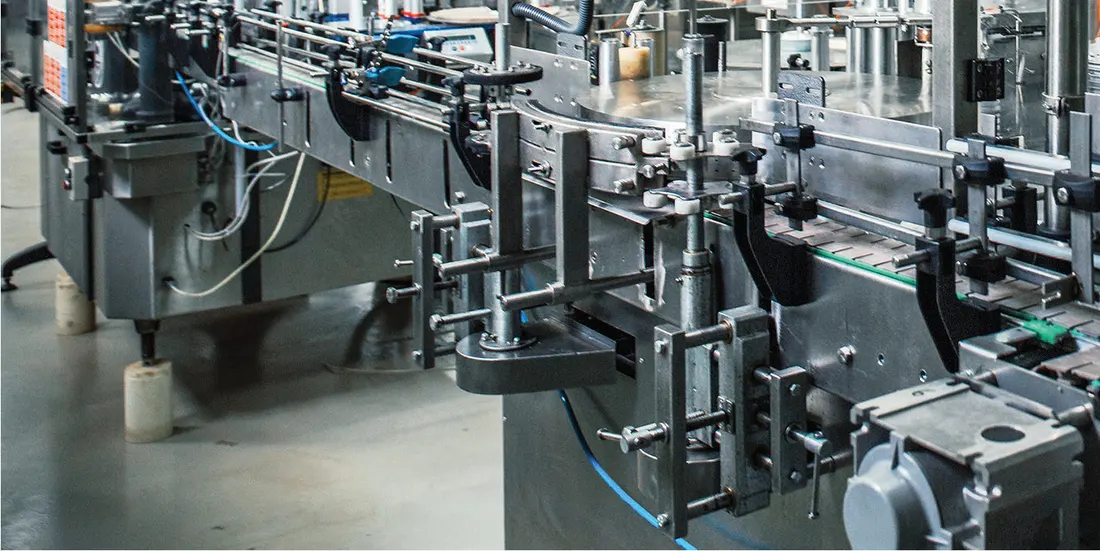
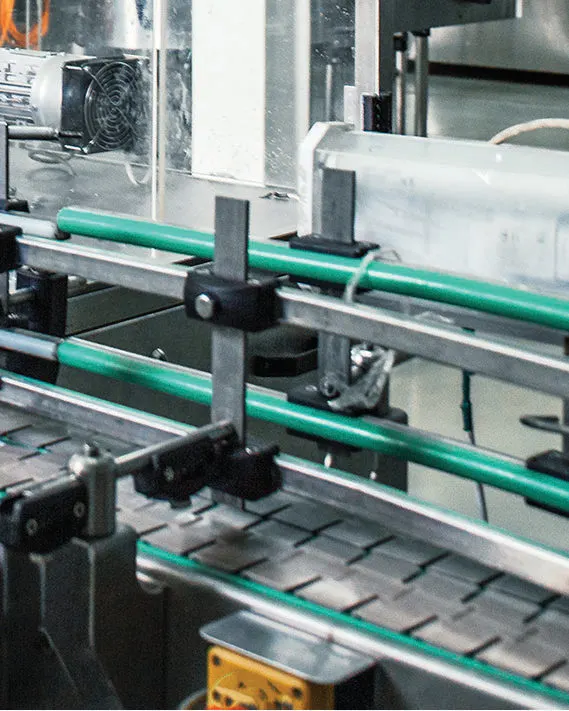
There is a common misconception that smart manufacturing technologies are incompatible with existing legacy machinery. However, the reality is that smart manufacturing is about integrating "dumb" machines with "smart" machines to create a cohesive and efficient system.
Manufacturers can retrofi t their legacy machinery with smart sensors that collect real-time data. This data can then be leveraged by advanced planning and scheduling systems to optimize production processes. The integration of legacy machinery with smart technologies ensures that manufacturers benefi t from the advantages of both worlds without the need for a complete overhaul of their equipment.
The perfect combination of legacy machinery and smart technologies is what makes a factory truly smart. Embracing a hybrid approach that combines existing infrastructure with smart technologies ensures that manufacturers can leverage their existing assets while reaping the benefits of automation, data analytics and connectivity, thus enhancing their operational efficiency while unleashing the full potential of their
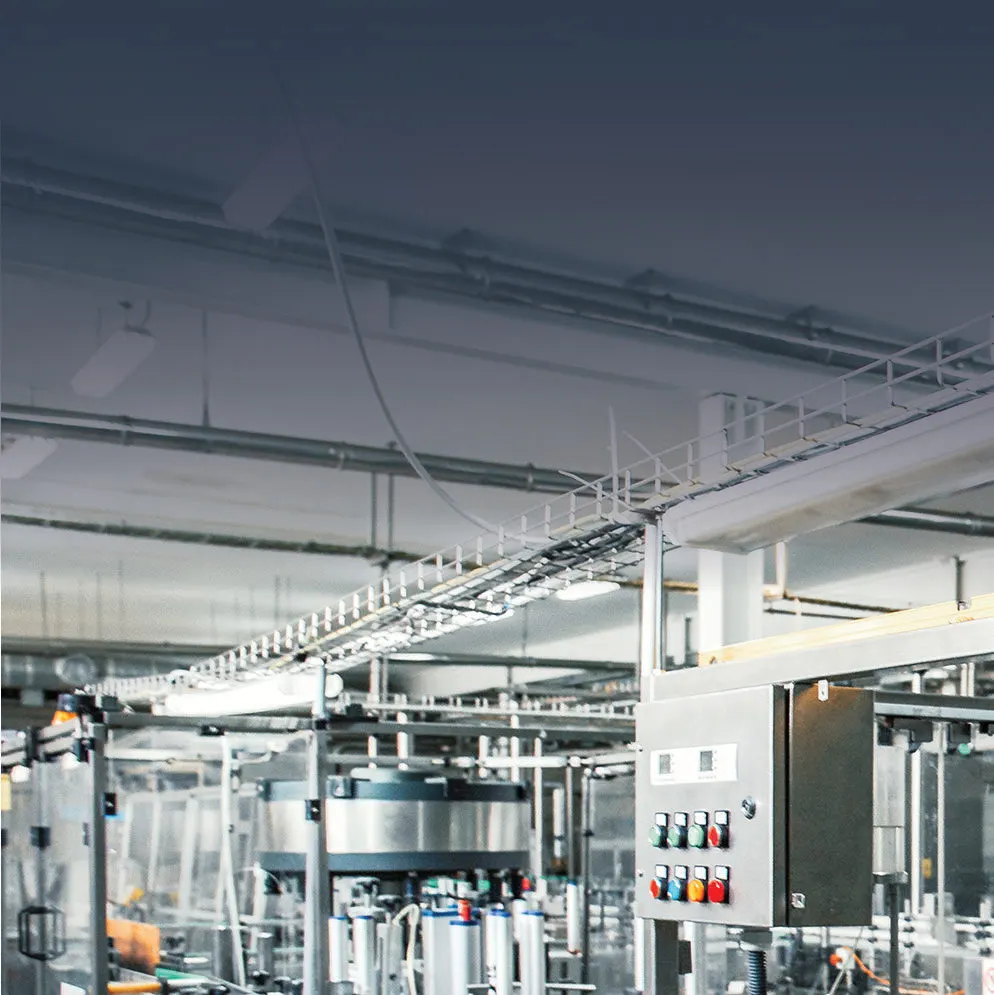
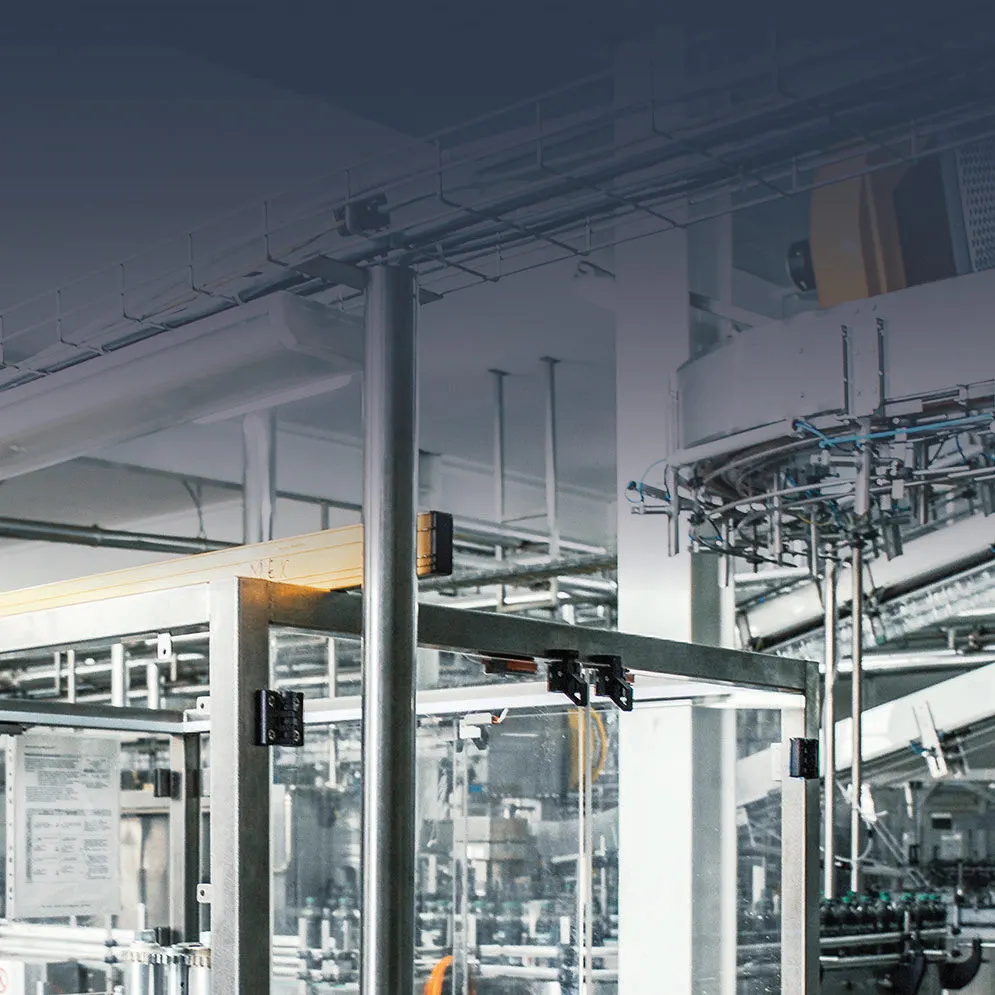
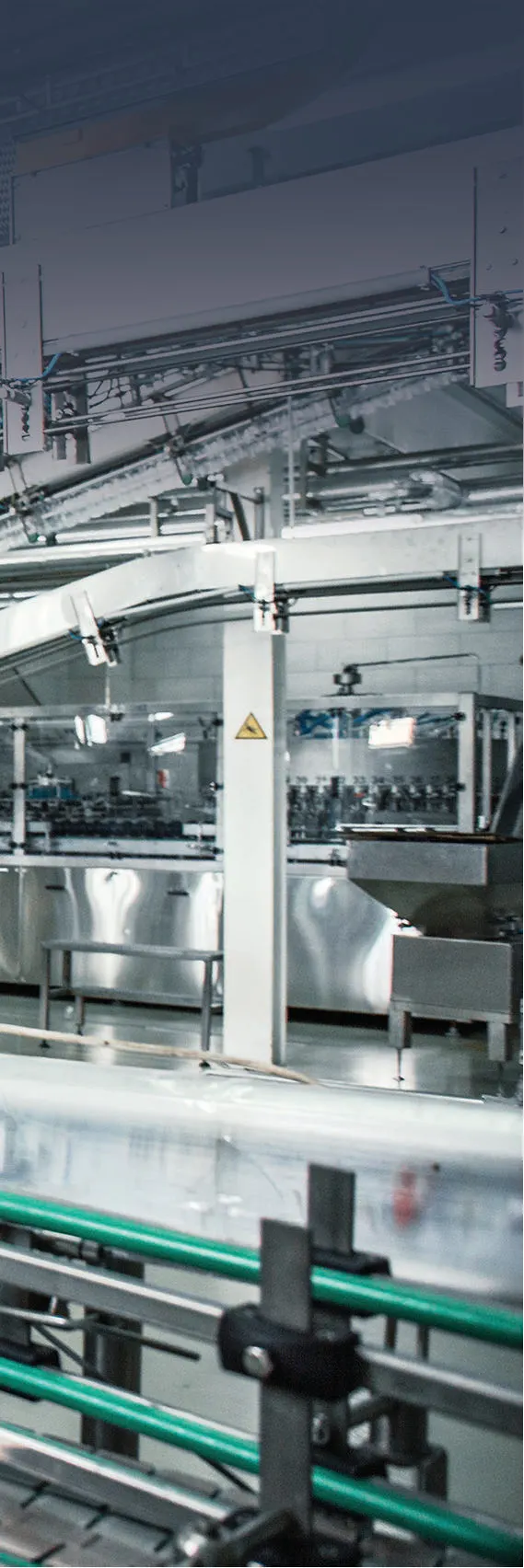
existing machinery.
Myth 4: The Smart Factory Model Isn't Scalable
Some manufacturers believe that the smart factory model is not scalable and can only be implemented by large organizations with extensive resources. However, this myth overlooks the fact that scalability is a key characteristic of smart manufacturing.
Smart manufacturing solutions are designed to be flexible and adaptable, catering to the needs of both large corporations and small- to medium-sized enterprises (SMEs). The scalability of these solutions allows manufacturers to start small and gradually expand their implementation as they witness the benefits.
Furthermore, the modular nature of smart manufacturing technologies enables manufacturers to customize and scale their systems according to their specifi c requirements. By taking a step-by-step approach and leveraging scalable solutions, even SMEs can harness the power of smart manufacturing and optimize their operations.
Myth 5: Smart Factories Are Highly Vulnerable to Cyberattacks
With the growing reliance on technology, concerns regarding cybersecurity in smart factories have emerged. However, while it is true that the increased connectivity of smart manufacturing systems introduces new risks, it does not mean that smart factories are inherently vulnerable.
In fact, many cybersecurity concerns stem from legacy technology. Due to their age and lack of updates, many obsolete systems are susceptible to security vulnerabilities. Manufacturers can mitigate cyber risks by implementing robust security measures and following best practices. This includes regular software updates, network segmentation, access controls and employee training on cybersecurity protocols.
Collaboration with cybersecurity experts can help manufacturers identify potential vulnerabilities and develop strategies to safeguard their systems. By prioritizing cybersecurity, manufacturers can reap the benefits of smart manufacturing while ensuring the protection of their sensitive data and critical operations. 6
Myth 6: It's Impossible to Assess the ROI of a Smart Factory
One of the biggest barriers to adopting smart manufacturing is the perceived difficulty in assessing its return on investment (ROI). However, with a comprehensive evaluation approach, manufacturers can quantify the benefits and make informed decisions.
Assessing the ROI of a smart factory requires considering not only the direct costs of technology adoption but also the indirect cost benefits. These benefits include improvements in factory throughput, product quality and customer satisfaction.
By evaluating the entire investment basis, including the costs of technology, supporting infrastructure, training and process improvements, manufacturers can gain a holistic view of the ROI. This enables them to make data-driven decisions and justify the investment in smart manufacturing.
Myth 7: Smart Factories Are Entirely Technologically Driven
Contrary to popular belief, a smart factory
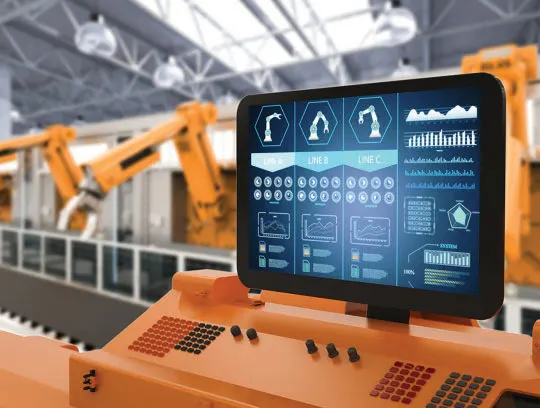
is not solely driven by technology. While technology plays a crucial role, the true essence of a smart factory lies in its ability to leverage data and connect various aspects of the manufacturing ecosystem.
A smart factory integrates data from physical assets, operational processes and human resources to drive manufacturing, maintenance and other activities. This interconnectedness enables manufacturers to get the most from their operations, predict changes and gain a competitive advantage.
From advanced planning and scheduling to augmented reality for maintenance, smart manufacturing embraces a holistic approach that goes beyond the shop floor and encompasses the entire enterprise. By recognizing the importance of people, processes and data, manufacturers can harness the full potential of smart manufacturing.





Myth 8: Data Scientists are Required for Smart Factories
While data scientists play an important role in the era of big data, the notion that smart factories require a dedicated team of data scientists is a myth. The democratization of data analytics has empowered individuals across various roles to analyze and derive insights from manufacturing data.
Technological advancements have led to the development of user-friendly tools and software that enable plant managers and process engineers to access and analyze realtime production data. These tools provide actionable insights, allowing them to make informed decisions that optimize productivity.
The emergence of citizen data scientists, individuals with domain expertise who can analyze data using intuitive analytics tools, further debunks the myth that smart factories are exclusively reliant on data scientists. By leveraging the collective intelligence of the workforce, manufacturers can drive continuous improvement and innovation. 8
Myth 9: Change Is Too Difficult
Another prevailing myth is the belief that implementing new technologies is a daunting and arduous task. However, the reality is that technology has evolved rapidly, offering cloud-based solutions that seamlessly integrate with existing systems such as enterprise resource planning (ERP) and supply chain systems. With these tools, digitization becomes much easier to implement.
To overcome this myth, it is crucial to ensure that everyone within the organization understands the importance and feasibility of change. Engaging all stakeholders from the start and aligning on a shared vision is key.
By asking questions such as "What challenges are occurring with our current technology?" and "What improvements do we want to achieve from a new system?", your company can dispel the notion that digitization is an impossible task and set clear goals for the transformation.
Partnering with the right technology provider also alleviates the burden of change. By adopting a crawl, walk, run approach, where projects are divided into manageable phases, manufacturers are able to gradually implement new digital capabilities.
Myth 10: It Is Too Difficult to Manage Systems and Data
Traditionally, manufacturers have relied on disparate systems, leading to siloed data and lackluster customer experiences. However, modern systems, such as cloud-based relationship management platforms designed specifically for manufacturers, offer a solution.
These platforms leverage application programming interfaces (APIs) to connect data across systems, breaking down silos and enabling seamless collaboration. By automating manual processes and leveraging artificial intelligence (AI) for accurate forecasting and proactive troubleshooting, manufacturers simplify operations and enhance customer experiences. 9
Myth 11: Employees Won't Use Digital Tools
Contrary to the belief that employees may resist using digital tools, the reality is that people are already heavily engaged with technology in their personal lives. The COVID-19 pandemic has further accelerated the adoption of digital tools for work, with remote work becoming the norm and digital communication channels taking precedence over face-to-face interactions.
Cloud-based relationship management platforms built for manufacturers empower employees to engage from anywhere, capturing all interactions with customers and partners. This not only enables seamless collaboration but also provides valuable insights and identifies new opportunities. By visualizing data on dashboards and utilizing AI, manufacturers are able to personalize customer experiences and make data-driven decisions.
To address any potential resistance to adopting digital tools, comprehensive online training programs can be implemented to ensure employees are equipped with the necessary skills and knowledge.
"In today's fast-paced business environment, staying stagnant leads to falling behind competitors and missing out on valuable opportunities."
Myth 12: Manufacturers Don't Need to Constantly Evolve
A dangerous myth that can hinder the long-term success of manufacturers is the belief that manufacturing is an ancient art form with no need for innovation. However, in today's fast-paced business environment, staying stagnant leads to falling behind competitors and missing out on valuable opportunities.
By actively monitoring industry trends, listening to customer feedback and surveying the community, manufacturers are able to identify pain points and areas for improvement. Implementing a solid digital foundation with the help of technology can facilitate trend-spotting and enable quick adaptation. 10
Myth 13: There Is No Need for Improvement When You Have a High Quality Rate
While a high-quality rate may be commendable, it does not necessarily mean that there is no room for improvement. Even a small percentage improvement in quality can have a significant impact on the bottom line.
By leveraging technology to analyze data and identify patterns, manufacturers can uncover hidden opportunities for optimization and enhance overall quality.
Myth 14: It Takes a Long Time to Connect Machines
Connecting machines and establishing a digital ecosystem may seem like a time-consuming process, but advancements in technology have made it more efficient than ever before. With the right expertise and support, manufacturers can quickly and seamlessly connect their machines, unlocking the benefits of real-time data analysis and optimization.
Furthermore, by embracing cloud-based solutions, manufacturers can eliminate the need for lengthy and complex on-site installations, streamlining the process of connecting machines and minimizing downtime. 11
Myth 15: Only Experts Can Design and Implement a Digital Transformation
Decades ago, digital transformation was viewed as a one-time, wholesale update of the technology stack. Implementation touched every area of the manufacturing environment, disrupting processes for months or even years.
Today, with a focus on continuous improvement, it's possible to achieve incremental gains by automating or improving processes in specifi c areas such as inventory control, machine monitoring, or data collection. Each can result in real benefits, with faster realization of ROI, while offering quicker software implementation. Even so, it's important to document a transformation roadmap to ensure focus on areas that stand to generate the most impact, and outline benchmarks and metrics to evaluate success.
While experts aren't the only ones who can design a complete Industry 4.0 Digital Transformation for your manufacturing business, we wouldn't recommend trying to do it on your own. Even though you can certainly choose a solution and work with your team to implement it, you would miss out on the deep knowledge and insights that a tech veteran has.
By leveraging the experience and expertise of an expert digital transformation consultant, you will gain the advantage of industry best practices combined with the latest tech solutions. Additionally, expert consultants can save you time and money as they work to get your ideal solution selected and implemented in the shortest timeframe possible, minimizing costly delays and downtime.

12

About Ultra Consultants
As we have debunked these common myths surrounding smart manufacturing, it becomes evident that the potential of modern manufacturing technology goes beyond initial misconceptions.
At Ultra Consultants, we are dedicated to providing industry-leading insights and expertise to help manufacturers make informed decisions about their technology investments. By embracing the truth behind these myths, your business unlocks the full potential of manufacturing technology and stays ahead in an increasingly digital world.
For more information and additional resources on how to bring our expertise right to your doorstep, visit us at ultraconsultants.com.